
Paliurus ramosissimus
Paliurus ramosissimus
Description
Growing requirements
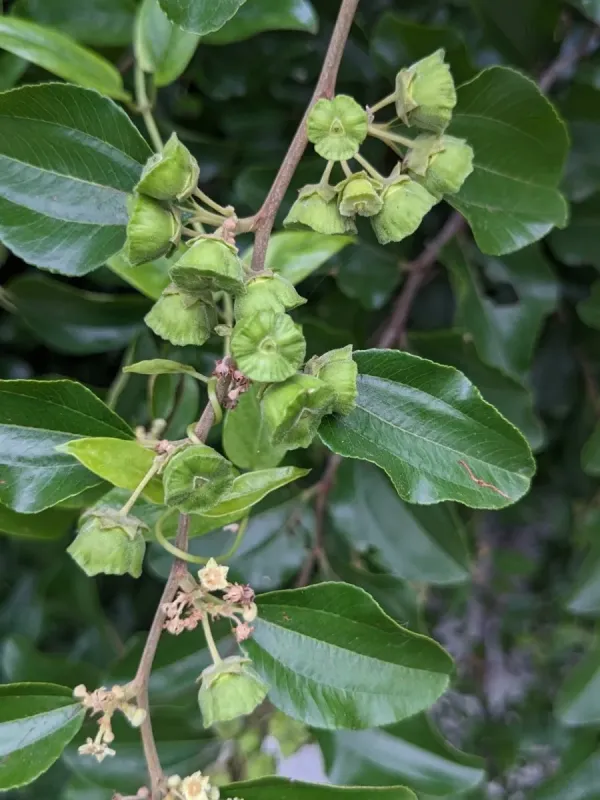
Paliurus ramosissimus is a perennial shrub belonging to the Rhamnaceae family. This species is native to East Asia, primarily flourishing in the climates of China and Japan. Its unique morphology, characterized by dense branching and thorns, makes it a distinct species in temperate and subtropical landscapes.
The plant thrives in well-drained, fertile soil types, ranging from sandy loams to light clays. It exhibits a strong preference for sunny locations, which are essential for stimulating vigorous vegetative growth and ensuring optimal flower development during the active season.
Paliurus ramosissimus is highly recognized for its drought resistance, making it suitable for regions where water availability may be limited during the summer months. Despite this, consistent moisture during the early stages of establishment is recommended to encourage a deep and robust root system.
Agricultural management requires careful planning of planting density, as the species is known for its spreading nature. Regular pruning is necessary to maintain the desired shape, especially when the shrub is being cultivated for security fencing or specific landscaping purposes.
The economic value of this crop spans across several sectors. Besides its application in ornamental gardening for creating natural barriers, it serves as a valuable nectar source for beekeeping and is increasingly studied for its chemical profile in pharmacological research.
Main diseases and pests
Paliurus ramosissimus is generally robust and less susceptible to severe plant diseases compared to many other agricultural shrubs. However, proper site maintenance is required to prevent environmental conditions that favor pathogen development.
Powdery mildew is the most frequently encountered fungal issue, particularly in humid and poorly ventilated environments. Implementing structural pruning to improve airflow through the canopy is the primary method for preventing such infections.
Insect pests, such as aphids and spider mites, can occasionally colonize young, tender shoots. These pests can cause chlorosis or deformation of the foliage, which reduces the plant's overall vigor and aesthetic quality if left uncontrolled.
Management of pest populations is best achieved through an integrated pest management (IPM) approach. This includes monitoring the health of the plants throughout the growing season and applying selective treatments only when damage thresholds are exceeded.
Maintaining balanced soil nutrition and removing dead or diseased wood are critical practices for ensuring long-term plant health. A strong, well-nourished shrub is significantly more resilient to pest pressures and seasonal environmental shifts.