
Paliurus hemsleyanus
Paliurus hemsleyanum
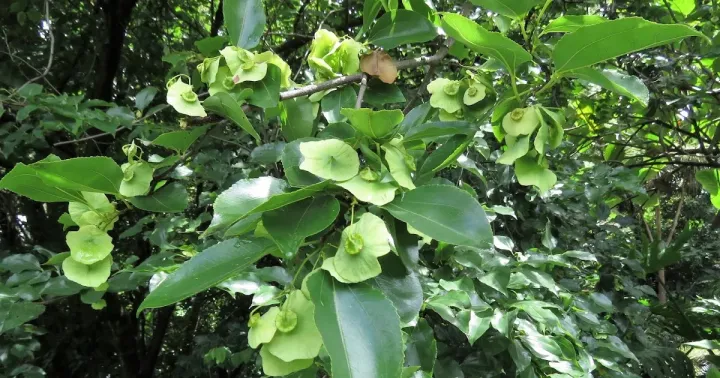
Description
Sowing dates
The propagation of Paliurus hemsleyanus is primarily conducted through seeds, which require specific preparation to achieve high germination rates. In commercial nurseries, seeds are sown in autumn to allow for natural cold stratification during the winter season, which is essential to break embryo dormancy.
For spring sowing, seeds must be subjected to a period of cold stratification in a controlled environment at temperatures ranging from +1 to +5 degrees Celsius for approximately two to three months. This procedure mimics winter conditions and ensures a more uniform emergence of seedlings once they are transferred to the nursery beds.
Vegetative propagation via semi-hardwood cuttings is another viable method for mass production. Utilizing rooting hormones and maintaining high humidity levels in misting chambers significantly improves the success rate of root development during the active growing season.
The nursery substrate must be porous, well-draining, and rich in organic matter to provide optimal conditions for initial growth. It is crucial to monitor moisture levels closely during the germination phase to prevent the seeds from drying out or rotting due to excessive waterlogging.
Young plants should be carefully transplanted into individual containers or nursery fields once they are robust enough to withstand handling. Proper spacing is necessary to allow each plant sufficient room for crown development and to facilitate regular cultural practices.
Growing requirements
As a member of the Rhamnaceae family, Paliurus hemsleyanus is a deciduous woody plant that thrives in sunny and open environments. It requires full solar exposure to maximize its photosynthesis rates and maintain its characteristic growth habit and foliage quality.
Soil requirements for this species include well-draining textures, such as sandy loams or loamy soils, with a neutral to slightly alkaline pH. The plant exhibits moderate drought tolerance once established, but it performs best when provided with consistent moisture during the spring and summer months.
The species is well-adapted to subtropical and temperate climates but requires protection from severe frost during its juvenile stage. Proper site selection, which avoids frost pockets and ensures good air circulation, is vital for maintaining the plant’s overall health throughout the year.
Agronomic management involves regular structural pruning to remove dead or diseased wood and to shape the canopy. This practice not only improves the aesthetic appearance of the plant but also enhances light penetration and ventilation, which are critical for disease prevention.
Regular monitoring of nutrient levels in the soil is recommended to ensure adequate fertilization, particularly in younger specimens. Balanced fertilizers applied at the beginning of the vegetative season help support healthy shoot growth and root expansion without causing succulent, weak tissue.
Main diseases and pests
The primary threats to Paliurus hemsleyanus include fungal pathogens that thrive in high-humidity conditions, such as powdery mildew. Preventive measures include ensuring good plant spacing and applying systemic fungicides if early signs of infestation are detected on the leaves.
Pests such as aphids and spider mites may target the younger, more succulent foliage, especially during hot and dry spells. Integrated pest management, including the use of biological controls or specialized insecticides, should be implemented promptly to prevent significant damage.
Root rot, often caused by poor drainage and excessive irrigation, remains a major concern for this species. To mitigate this risk, it is essential to ensure that the soil remains aerated and that excess water can drain away freely from the root zone to prevent fungal colonization.
Leaf spot diseases may occur during extended rainy periods, potentially weakening the plant if left unchecked. Removing fallen debris and maintaining clean nursery conditions are effective ways to reduce the inoculum load and protect the healthy foliage from spores.
A consistent health management plan, combining regular monitoring with balanced agronomic practices, is essential to minimize the impact of these threats. By maintaining optimal environmental conditions, the plant's natural resistance can be significantly bolstered against potential pests and diseases.