
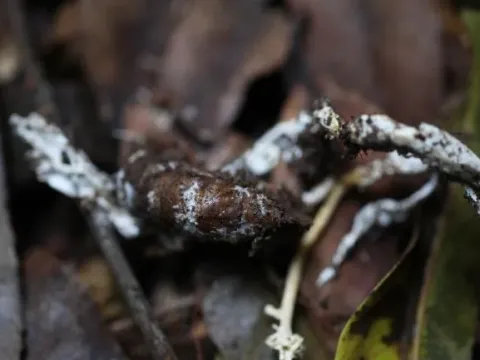
Paecilomyces
Paecilomyces Bainier
Paecilomyces is a genus of entomopathogenic fungi belonging to the Clavicipitaceae family. In modern agronomy, it is widely utilized as a biological control agent rather than a traditional agricultural crop, serving as a pillar for organic pest management.
What the section contains

Paecilomyces
The fungus thrives in environments with soil moisture levels between 60% and 80% of field capacity. Temperature is a critical factor, with optimal development occurring between 20°C and 28°C, which aligns with the growing seasons of many host crops.
Soil quality significantly impacts the establishment of the fungus. Well-aerated soils with high organic matter content provide the necessary structure and nutrients for the fungal mycelium to colonize the root zone effectively.
Agricultural application typically involves the direct incorporation of fungal spores into the soil or through irrigation systems. This method ensures that the inoculum reaches the rhizosphere where pests are most active.
Distributed globally, Paecilomyces shows remarkable adaptability to various climatic conditions. Its presence in natural soils makes it a sustainable tool that does not disrupt the balance of the ecosystem when used correctly.
Paecilomyces is primarily used to target plant-parasitic nematodes, such as root-knot nematodes. The fungus acts by colonizing the eggs and larvae of these pests, using specialized enzymes to degrade their outer layers.
Beyond nematodes, the fungus suppresses populations of soil-dwelling insects, including wireworms and white grubs. This activity is vital for protecting the roots of sensitive crops like potatoes, tomatoes, and ornamental plants.
The primary threats to the efficacy of Paecilomyces are broad-spectrum chemical fungicides, which can inadvertently inhibit fungal growth. Integrating biological control requires careful scheduling to avoid conflicts with chemical treatments.
Extreme environmental conditions, such as prolonged drought or severe waterlogging, can hinder the spread of the fungus. Maintaining optimal soil physical properties is essential to prevent population declines.
Management practices such as crop rotation and the regular application of organic amendments help sustain the population of Paecilomyces in the field, ensuring long-term protection against recurring soil pests.