
Purple shamrock
Oxalis triangularis A. St.-Hil.
Description
Growing requirements
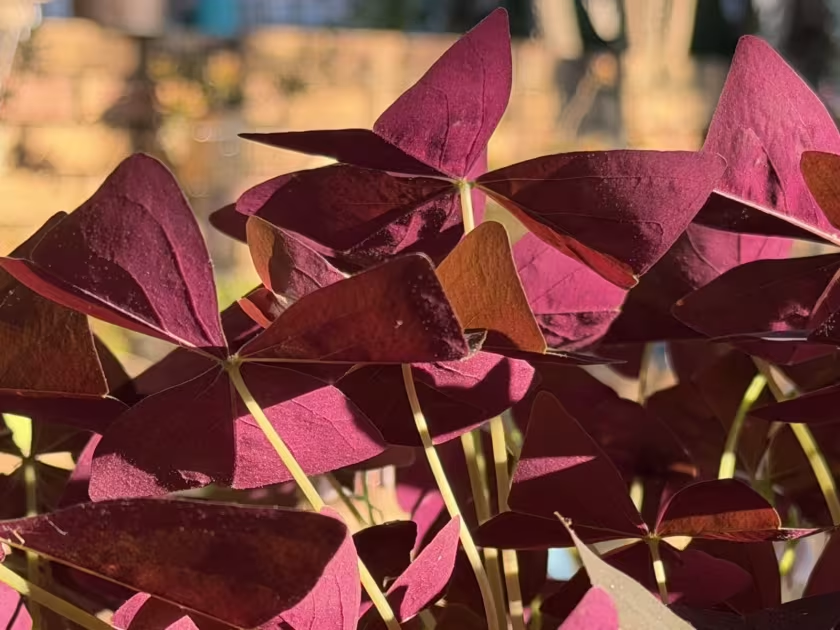
Purple shamrock (Oxalis triangularis) belongs to the Oxalidaceae family and is a popular bulbous perennial plant. It is widely recognized for its deep purple, clover-like leaves that exhibit nyctinasty, closing at night.
Native to Brazil and other parts of South America, this species thrives in forest understories and subtropical environments, requiring high humidity and moderate temperatures throughout its growing season.
The cultural requirements dictate a well-draining soil mix rich in organic matter. A mixture of peat, perlite, and potting soil ensures that the delicate bulbs do not remain waterlogged, which is the primary cause of plant failure.
Temperature management is essential for this plant. It prefers daytime temperatures between 65°F and 75°F (18°C–24°C). During the dormant phase, the plant should be kept in a cooler spot to allow for proper recovery.
Light intensity significantly affects the plant's aesthetic quality. While it tolerates partial shade, indirect bright light is best to maintain the vivid color of the foliage and prevent legginess during the vegetative stage.
Main diseases and pests
Root rot is the most significant threat to the purple shamrock. It is primarily caused by poor drainage and excessive watering, leading to the rapid decay of the underground bulbs and stems.
Aphids are common pests that attack the soft tissue of the leaves. Infestations can be controlled through regular inspections and the use of horticultural soap or neem oil treatments.
Spider mites are notorious for damaging Oxalis during periods of low humidity. They typically manifest as tiny, silken webs, and their presence requires immediate isolation and treatment with acaricides.
Mealybugs can cluster in the axils of the leaves, drawing nutrients from the plant. Manual removal with a cotton swab dipped in rubbing alcohol is effective for minor infestations on this species.
Fungal leaf spots can occur when air circulation is inadequate. To mitigate this risk, ensure proper spacing between plants and avoid wetting the foliage directly during watering sessions.