
Oxalis regnellii
Oxalis regnellii Miq.
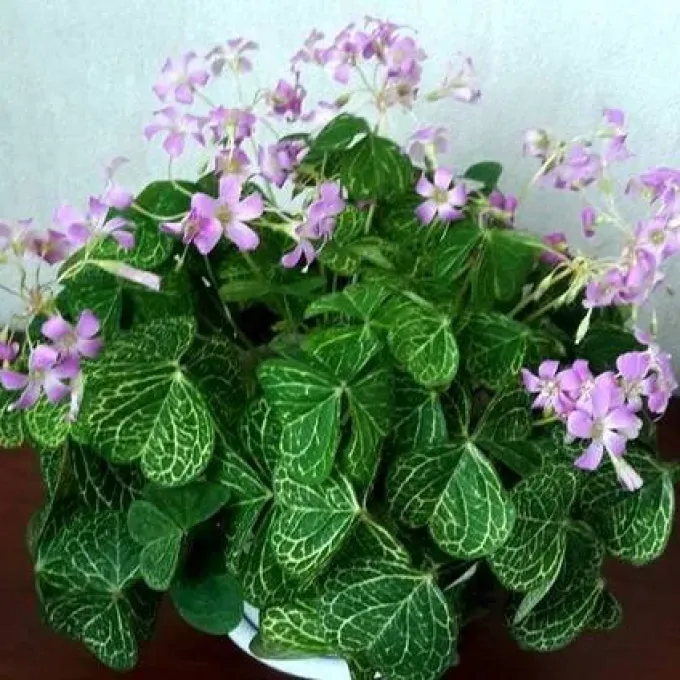
Description
Growing requirements
Oxalis regnellii is a perennial bulbous plant belonging to the Oxalidaceae family. Native to the tropical regions of South America, this species has become a popular ornamental plant due to its unique foliage and distinct movement patterns triggered by light and touch.
The plant features delicate triangular leaves that exhibit nyctinasty, folding during the night or when environmental conditions change. Its small, white flowers emerge on slender stalks, creating a stark and elegant contrast against the foliage, which is often characterized by its deep green or purple hues.
Successful cultivation requires bright, indirect light to maintain the vigor of the plant. Direct sunlight should be avoided to prevent scorched leaves, while low-light conditions may lead to stunted growth and the loss of the characteristic foliage movement.
Regarding soil requirements, the plant thrives in well-draining, slightly acidic to neutral potting mixes. A blend of peat, sand, and high-quality potting soil ensures that the bulbs receive enough moisture without becoming waterlogged, which is critical for preventing physiological stress.
Temperature management is key to the annual cycle: during the growing season, temperatures between 20°C and 25°C are ideal. During the winter dormancy period, the plant benefits from a cooler environment (around 12–15°C) to simulate natural seasonal transitions and ensure robust growth in spring.
Main diseases and pests
Typical pests affecting the plant include spider mites and mealybugs, which are often attracted to the plant under conditions of low humidity and stagnant air. Regular monitoring and maintaining proper air circulation are the most effective preventative measures.
Common diseases involve fungal infections like gray mold and root rot, which typically manifest due to excessive watering or poor drainage systems. Avoiding water accumulation in the potting tray and ensuring the soil surface dries slightly between waterings is essential for plant health.