
East African sandalwood
Osyris lanceolata
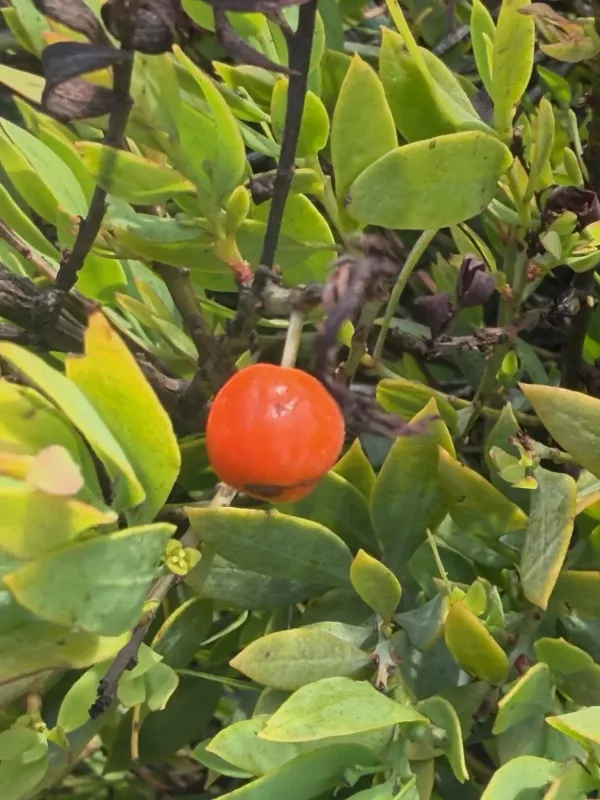
Description
Growing requirements
East African sandalwood (Osyris lanceolata) is an evergreen shrub or small tree belonging to the Santalaceae family. It is widely distributed across parts of Africa and the Arabian Peninsula, thriving in diverse ecological niches.
As a root hemi-parasite, it possesses a specialized mechanism to attach its roots to those of host plants. This interaction is essential for its survival, allowing the species to access nutrients and water effectively in resource-scarce environments.
The cultivation of this species requires careful selection of host plants, which act as a support system. Climatically, it prefers regions with warm temperatures and is highly adapted to varying soil types, provided they offer excellent drainage to prevent root rot.
Agricultural management involves establishing a balanced plantation layout where the sandalwood trees and their hosts coexist. This intercropping system is critical to ensure that the plants receive adequate nutrition throughout their long growth cycles.
Economically, the tree is highly valued for its heartwood, which yields high-quality essential oils used in perfumery and traditional medicine. This has led to an increasing interest in sustainable cultivation and domestication programs.
Main diseases and pests
The most common disease affecting this species is root rot, primarily driven by excessive soil moisture and poor drainage. Maintaining a dry and well-aerated soil environment is the primary preventative measure.
Pests such as scale insects and aphids often infest the leaves, causing structural damage. Early intervention using biological control agents is recommended to preserve the essential oil quality of the harvested material.
Environmental stress, such as prolonged drought or the decline of host plant populations, can drastically reduce plant vigor. Maintaining the health of the entire ecosystem within the plantation is necessary for crop stability.
Fungal leaf spots can occur in humid microclimates. These diseases weaken the plant and reduce its biomass production, making proper spacing and ventilation essential for managing plantation hygiene.
Monitoring the plant-host relationship is vital. If the sandalwood tree fails to secure a proper host, it will exhibit signs of nutrient deficiency, requiring immediate corrective action to save the affected specimens.