
Ostericum sieboldii
Ostericum sieboldii
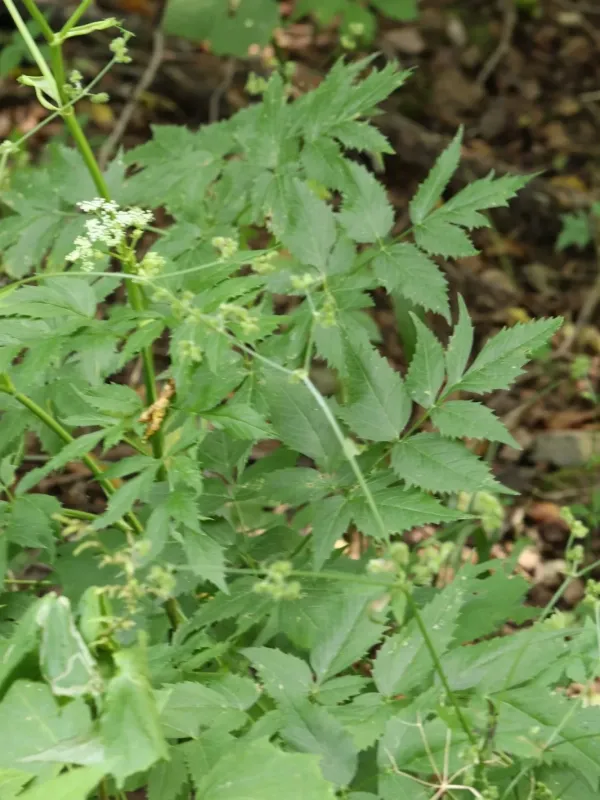
Description
Sowing dates
Ostericum sieboldii is a perennial herbaceous plant belonging to the Apiaceae family. Successful cultivation begins with proper seed handling, as the seeds often require cold stratification to break dormancy and ensure uniform germination across the field.
Sowing is typically performed in late autumn or early spring when soil temperatures stabilize. Seeds should be sown at a depth of approximately 1 cm, ensuring they remain in constant contact with moisture-rich soil to trigger the biological processes necessary for emergence.
For commercial production, starting plants in nursery trays or greenhouse plugs is common. This method protects young seedlings from early-season environmental stress and allows for precise spacing once the plants are transplanted into the main field.
Proper plant spacing is essential for root development. A distance of 40–50 cm between rows and about 30 cm between plants within rows is generally recommended to provide sufficient space for foliage expansion and air circulation.
After emergence, thinning the seedlings is a vital step to prevent overcrowding. By removing weaker plants, the remaining specimens receive more nutrients and light, which significantly enhances the overall vigour of the crop throughout the growing season.
Growing requirements
This crop thrives in well-drained, loamy soils rich in organic matter. A neutral or slightly acidic soil pH is ideal for nutrient uptake, as extreme values can severely restrict the metabolic processes within the roots of the plant.
Water management is crucial throughout the lifecycle of Ostericum sieboldii. While the plant can tolerate minor periods of dryness, consistent moisture levels are necessary to produce high-quality yields and prevent premature flowering, also known as bolting.
Light requirements for this species are relatively high, as it needs full sun to partial shade conditions. In regions with extremely hot summers, providing filtered light during the hottest part of the day helps prevent thermal damage to the leaves.
The plant requires moderate temperatures, ideally between 15°C and 22°C. While it is hardy and capable of surviving cold winters, the soil must not be prone to waterlogging, as freezing saturated soils can cause severe root damage.
Applying balanced fertilizer, including essential macro- and micronutrients, should be done in stages. Nitrogen is primarily needed during the vegetative growth phase, whereas phosphorus and potassium are essential for root development and cold hardening.
Main diseases and pests
Fungal pathogens such as powdery mildew and rust are common in humid environments with poor air circulation. Regular scouting and preventative treatment with appropriate organic fungicides can keep these infections below the economic damage threshold.
Root rot caused by various soil-borne oomycetes represents a significant risk if the drainage is insufficient. Improving soil structure and avoiding irrigation during cool, overcast weather conditions are effective preventative management strategies.
Pests like aphids and leafhoppers not only damage the plants by feeding on sap but can also act as vectors for various viral diseases. Early detection and the use of targeted biological controls are necessary to maintain plant health throughout the season.
Wireworms and other soil insects may infest the root zone, creating entry points for secondary bacterial infections. Utilizing crop rotation schemes that avoid solanaceous or related apiaceous predecessors helps in managing soil-borne pest populations naturally.
Management of these threats involves a holistic approach, prioritizing cultural practices over chemical interventions. Maintaining clean borders around the fields and removing crop debris post-harvest are critical steps in reducing overwintering inoculum for the following year.