
Ostericum grosseserratum
Ostericum grosseserratum
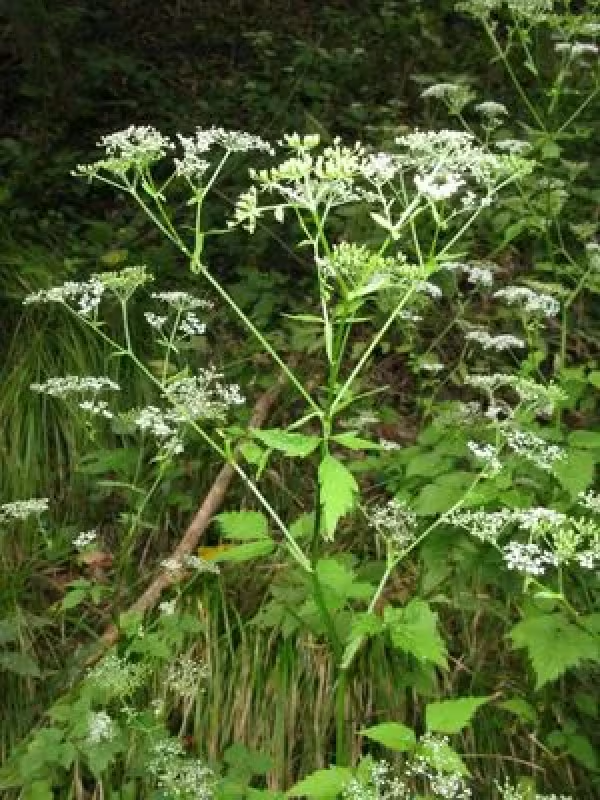
Description
Sowing dates
Ostericum grosseserratum is a perennial herbaceous plant typically propagated by seeds. Sowing is best performed in late autumn for natural winter stratification or in early spring using seeds that have been artificially stratified in cold storage to break dormancy.
The ideal planting depth is about 1 to 2 centimeters. Rows should be spaced 45 to 60 centimeters apart to provide ample space for the plant to mature and to ensure proper airflow between individual plants, which reduces the risk of moisture-related diseases.
Seeds require consistent soil moisture to germinate properly. In spring, maintaining a moist soil surface through regular, light watering or light mulching is essential to prevent the top layer from crusting over and hindering the emerging sprouts.
During the first year, the plant primarily focuses on developing its root system and a basal rosette of leaves. Weed control during this early establishment phase is critical, as the young seedlings are slow to grow and easily outcompeted by aggressive weeds.
Vegetative propagation via root division is an alternative for established plants. This method is preferred when specific genetic traits need to be maintained or when a faster development of mature plants is required for harvest purposes.
Growing requirements
This species prefers fertile, well-draining soils with a neutral to slightly acidic pH. Avoid heavy clay soils that are prone to waterlogging, as the root system is sensitive to lack of oxygen and fungal pathogens which thrive in stagnant water conditions.
Ostericum grosseserratum thrives in sunny locations with full light exposure. While it can tolerate partial shade, maximum growth and the highest concentration of active compounds are achieved when the plant receives at least six to eight hours of direct sunlight daily.
The plant is relatively hardy and can withstand freezing temperatures, but in regions with harsh, snowless winters, mulching around the base is recommended to prevent frost heaving and protect the root crown from extreme temperature fluctuations.
Water requirements are moderate, but regular irrigation is necessary during dry spells, especially during the rapid stem elongation and flowering phases. Drought stress can severely stunt growth and reduce the plant's overall vitality and yield.
Balanced fertilization is beneficial, particularly in early spring when the plant begins its active growth cycle. The application of organic matter or a balanced NPK fertilizer ensures the plant has sufficient nutrients to produce healthy foliage and robust flower stalks.
Main diseases and pests
Fungal diseases, especially powdery mildew, represent the primary threat in humid or overcrowded conditions. Maintaining proper spacing and ensuring the foliage dries out quickly after rain are the best preventative measures against these infections.
Pests such as aphids and spider mites can attack the succulent leaves and stems. Regular scouting allows for early detection, which is crucial for managing infestations through biological controls or targeted application of approved horticultural soaps or oils.
Root rot is a common issue when soil drainage is poor. This condition is almost exclusively caused by overwatering or compacted soil that prevents proper respiration of the root system, ultimately leading to wilting and death of the plant.
Weed management remains the most important manual task in the production cycle. Because the plant is susceptible to various herbicides, manual weeding or mechanical cultivation is often the safest approach to maintain the health of the crop.
Monitoring the plants throughout the season is essential to identify early signs of nutrient deficiency or pest activity. Proactive management reduces the need for heavy pesticide intervention and maintains the quality of the harvested product.
Harvesting
The aerial parts are harvested during the peak of the flowering phase. This timing is critical because the concentration of essential oils and other valuable phytochemicals reaches its maximum level, ensuring the highest quality medicinal product.
Roots should be harvested in the autumn after the plant has entered dormancy and the nutrients have migrated from the foliage to the underground storage organs. Careful excavation prevents damage to the roots, which could lead to spoilage.
Post-harvest drying must occur in a shaded, well-ventilated area. Direct sunlight should be avoided during the drying process to prevent the degradation of heat-sensitive and light-sensitive medicinal compounds that are prized in this species.
Once dried, the material should be stored in opaque, moisture-proof containers in a cool, dry environment. Proper storage is vital for preserving the potency of the dried product for up to two years before efficacy begins to decline.
Harvesting efficiency is improved by using sharp, clean tools to ensure clean cuts, which minimizes the risk of introducing pathogens into the root crown of the mother plant if only part of the roots is being collected for propagation or harvest.