
Canadian mountain ricegrass
Oryzopsis canadensis
Description
Growing requirements
Canadian mountain ricegrass (Oryzopsis canadensis, also classified as Piptatherum canadense) is a perennial grass species belonging to the Poaceae family. It is recognized for its adaptation to cool climates and its resilience in natural meadow ecosystems.
The species is native to northern North America, typically found in open meadows, prairies, and forested margins. Its distribution indicates a strong preference for areas with temperate to boreal climate patterns.
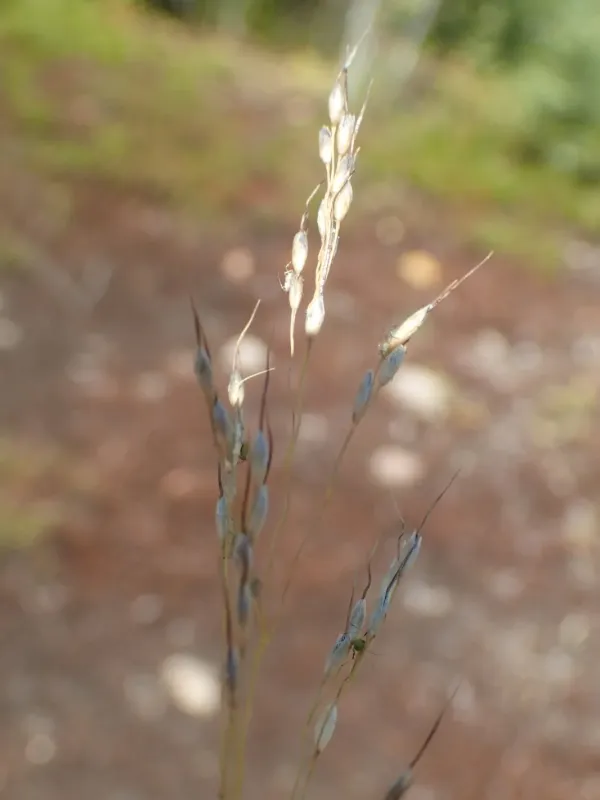
Botanically, it forms loose bunches with narrow, scabrous leaves and delicate panicle inflorescences. The plant's architecture allows for good biomass accumulation, making it a viable candidate for research in forage improvement.
It thrives in well-drained, sandy to loamy soils. It avoids waterlogged or anaerobic conditions, which makes site selection critical for cultivation success. Proper soil aeration is essential for healthy root development.
The plant demonstrates significant cold tolerance, allowing it to survive harsh winter conditions. It is highly responsive to favorable soil moisture during the active growth phase, which typically occurs in the early summer months.
Main diseases and pests
Like many species in the Poaceae family, Canadian mountain ricegrass is susceptible to rust diseases and powdery mildew, especially in humid or stagnant air environments. These pathogens can compromise foliage health.
Common insect pests include aphids and various types of grain beetles. These insects can reduce the quality of the stand by sap-feeding or damaging the vegetative tissues during the peak growth season.
Effective management strategies involve ensuring adequate spacing between plants to improve airflow and reduce fungal spore accumulation. Regular mowing or light grazing can also stimulate new, healthy growth.
Root system health should be monitored for larvae of soil-dwelling pests like click beetles. Crop rotation or periodic reseeding helps manage soil-borne pathogen populations effectively.
Chemical intervention should be considered a last resort. Emphasis should be placed on sustainable practices that encourage natural biological control agents and maintain soil health through organic amendments.