
Oryzopsis bloomeri
Oryzopsis bloomeri
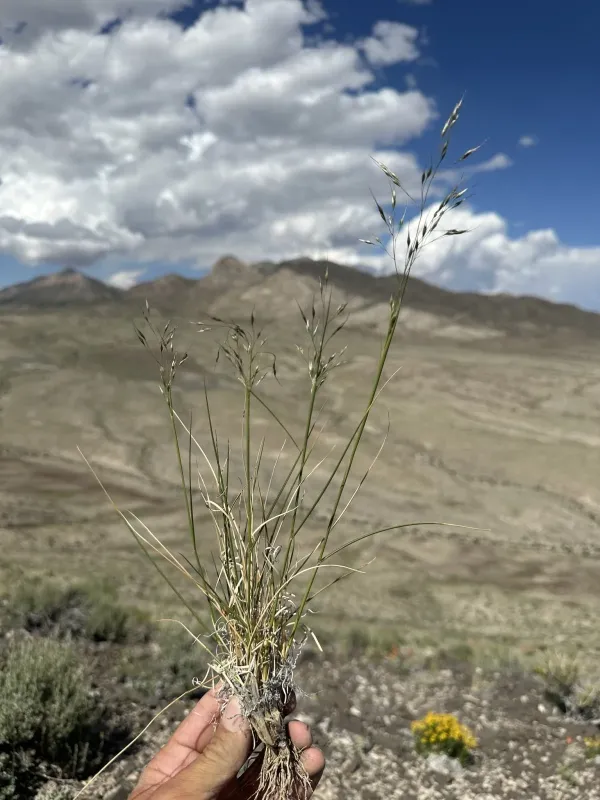
Description
Sowing dates
Sowing of Oryzopsis bloomeri is primarily carried out during the spring period, once the soil has warmed to steady positive temperatures. Early spring is considered the optimal time, allowing seeds to utilize moisture from snowmelt for successful germination.
Seeds of this culture exhibit low germination rates in the first months after harvest; therefore, it is recommended to use stratified planting material. The seeding depth should not exceed 1–2 centimeters to ensure adequate oxygen access for the developing embryo.
Seeding density is calculated based on the intended use: higher density for hay production and lower density for grazing purposes. In row-seeding methods, spacing between rows usually ranges from 30 to 45 centimeters to minimize weed competition.
In regions with mild climates, late autumn sowing is possible, though it requires more diligent monitoring of soil conditions. The primary condition for a successful stand is a fine-crumbly soil structure that ensures close contact between the seed and the substrate.
After sowing, the field should be compacted to settle the topsoil layer. This practice is essential to prevent the top layer from drying out and to ensure uniform moisture distribution across the entire depth of the seeds.
Growing requirements
Oryzopsis bloomeri belongs to the Poaceae family and is a typical representative of xerophytic flora adapted to arid environments. The crop demonstrates high resistance to soil moisture deficits and extreme temperature fluctuations.
The plant has moderate requirements for soil fertility but prefers well-drained loamy or sandy-loam soils. It performs poorly in waterlogged conditions or highly acidic soils, which should be considered when selecting a site for cultivation.
For optimal growth, the plant requires intense sunlight, making it unsuitable for shaded areas. In shade, there is a notable decrease in growth rates and a reduction in total vegetative mass accumulation.
Oryzopsis successfully adapts to high-altitude conditions and steppe zones where other forage grasses often fail due to drought. Its extensive root system allows it to extract moisture from deep soil layers effectively.
The plant possesses high cold tolerance, enabling it to survive harsh winters without significant losses in stand density. Spring regrowth begins promptly once stable positive temperatures are reached.
Yield
The green mass yield of Oryzopsis bloomeri directly depends on the level of moisture during the spring-summer period and soil nitrogen availability. While not a biomass record-breaker, it provides a consistent harvest under unfavorable conditions.
Average yield figures range from approximately 1.5 to 3 tons of dry hay per hectare under extensive management practices. The application of mineral fertilizers can increase these yields by 20–30% depending on soil conditions.
The economic use of the crop is primarily focused on the establishment of long-term pastures. Oryzopsis is valued for its early regrowth, providing livestock with green feed during periods when other grasses have not yet formed sufficient volume.
Feed quality remains high throughout most of the growing season, making it a valuable component in grass mixtures. Leafiness accounts for about 40–50% of the total mass, which positively influences its nutritional value for grazing animals.
Consistency of yield over consecutive years is the main advantage of Oryzopsis over many highly bred cultivars. This makes it an essential insurance resource for livestock farms operating in arid regions.
Main diseases and pests
The crop possesses good natural immunity to most fungal diseases typically affecting grass species. However, under conditions of excessive humidity, powdery mildew may occur, which can reduce the quality of the green mass.
Among pests, grass flies and aphids pose the greatest threat, as they can damage young shoots during the active tillering phase. In years of mass outbreaks, preventive insecticide treatments may be necessary to protect the stand.
Root systems of mature plants are rarely damaged by pests, contributing to the longevity of the pasture. An important aspect of plant protection is adhering to crop rotation and avoiding overgrazing, which can weaken the population.
Chemical control should only be applied when the economic threshold of damage is exceeded. Most pests are naturally controlled by beneficial entomophages if the ecological balance of the field is maintained.
Disease prevention is primarily achieved through the selection of healthy, certified seed and optimal sowing timing. Regular monitoring of the stand allows for quick responses to potential outbreak hotspots.
Harvesting
Hay harvesting is conducted during the heading phase, when the concentration of nutrients in the plant reaches its peak. Allowing the grass to over-mature leads to stem lignification and a sharp decrease in palatability for livestock.
For grazing management, a rotational grazing system is essential to prevent plant depletion. After grazing, the pasture must be allowed a rest period to restore root systems and accumulate nutrient reserves.
When harvesting hay, it is crucial to ensure rapid drying of the cut mass to preserve its vitamin profile. Oryzopsis tolerates sun-drying well, maintaining the aroma and nutritional density typical of quality meadow hay.
The optimal cutting height during hay mowing should be at least 5–7 centimeters. Mowing too low can damage the growing points, which will delay the subsequent regrowth of the crop significantly.
After harvesting, the field may be harrowed if soil compaction by livestock is observed. This improves aeration in the root zone and stimulates shoot development for the following season.