
Orostachys malacophylla
Orostachys malacophylla
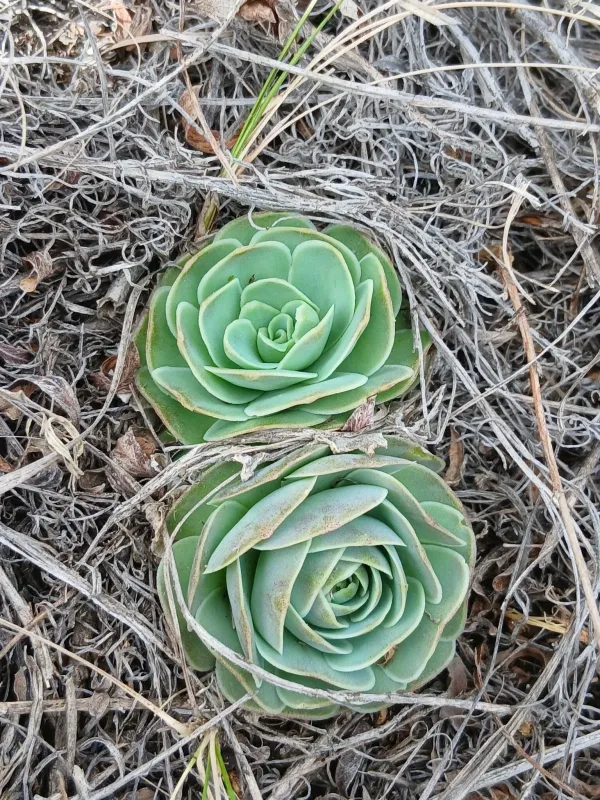
Description
Growing requirements
Orostachys malacophylla is a perennial succulent plant belonging to the Crassulaceae family. It is native to rocky slopes and mountain regions of the Russian Far East, Mongolia, and Japan, adapting to harsh cliff-side environments.
The plant features a dense rosette of fleshy, smooth, and pale-green leaves. It is monocarpic, meaning the central rosette will flower once and then die, but the plant typically produces offsets to ensure continuation.
Cultivation requires conditions that mimic its natural habitat: excellent drainage and low humidity. It thrives best in sandy, gravelly, or rocky soil mixes where water cannot accumulate near the root crown.
Sunlight is the primary factor for healthy development. It requires full sun exposure; otherwise, the plant becomes etiolated, weak, and significantly more susceptible to various diseases and physiological disorders.
This species is highly climate-resilient, exhibiting significant frost tolerance. It is suitable for xeriscaping and rock gardening, provided the chosen site prevents water logging during the dormant season.
Main diseases and pests
The most significant threat to Orostachys malacophylla is root and crown rot caused by excessive moisture. In stagnant water conditions, tissues decompose rapidly, leading to the total loss of the plant.
Mealybugs are the most common pests, often hiding deep within the dense leaf rosettes. If an infestation occurs, targeted systemic insecticides should be applied to prevent further damage to the foliage.
Fungal infections, including botrytis and fusarium, occur primarily when air circulation is poor or when the soil remains constantly wet. Proper spacing and mineral-based mulch are essential preventive measures.
Slugs and snails can consume the tender leaves, especially in early spring. Protecting the plants with physical barriers or non-toxic bait is recommended in gardens prone to these mollusks.
Soil-borne pathogens like nematodes can cause wilting and stunted growth. Using sterile potting mixtures and avoiding contaminated soil sources helps keep the plant population healthy and vibrant.