
Orostachys boehmeri
Orostachys boehmeri
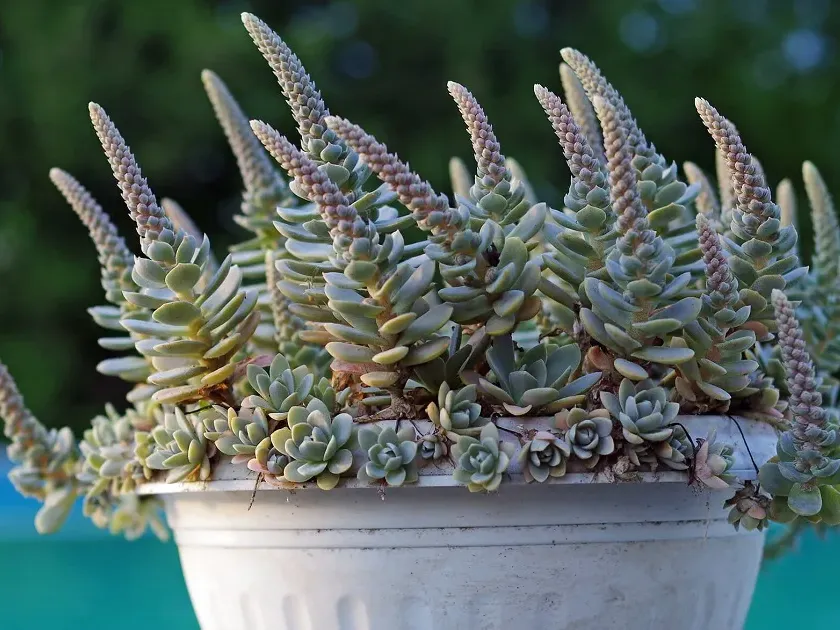
Description
Sowing dates
Orostachys boehmeri, belonging to the Crassulaceae family, is a fascinating monocarpic succulent that forms tight, attractive rosettes. Its propagation is most effective via offsets that grow around the mother plant during the active growing season.
For seed propagation, use a very well-draining, sandy soil mix. Seeds should be sown on the surface and pressed lightly, as they require light to germinate. Maintain a stable temperature of around 20-22 degrees Celsius and keep the surface consistently moist during germination.
Once seedlings have developed their first true leaves, reduce the frequency of watering to encourage a more robust root system. Proper ventilation during this stage is essential to prevent damping-off diseases common in high-humidity environments.
In a production or gardening setting, using vegetative offsets is preferred to preserve the genetic traits and ensure a faster development of dense mats. Offsets should be carefully separated once they show signs of independent root development.
The best time to transplant seedlings or offsets to the garden is in late spring, allowing the plant enough time to establish itself before the arrival of the cold winter season. Avoid transplanting during periods of heavy rainfall.
Growing requirements
Orostachys boehmeri thrives in poor, rocky, or sandy soils with excellent drainage. It is perfectly adapted to environments where water drains away quickly, and it is highly sensitive to waterlogged conditions that can cause decay.
Full sun is essential for this plant to maintain its compact shape. In shaded areas, the rosettes will lose their structural integrity, becoming elongated and losing their resistance to frost and disease.
The plant is remarkably hardy, surviving cold temperatures, but it demands protection from winter dampness. A layer of coarse gravel or pumice around the base of the rosettes helps to keep the leaves dry and prevents rot.
Watering requirements are very low. The plant is drought-tolerant and should only be watered during extended dry periods in the summer. Always water the soil directly, avoiding the center of the rosette where water can trap and cause rot.
Minimal fertilization is required for this species. Excess nutrients lead to overly rapid growth, which makes the plant more susceptible to pests and reduces its natural hardiness against climatic fluctuations.
Main diseases and pests
Root and crown rot are the primary threats to Orostachys boehmeri, almost always caused by excessive soil moisture. Ensuring a slope or a raised bed with significant grit content is the best preventative strategy for this issue.
Mealybugs are the most common pest, often colonizing the inner, protected parts of the rosette. Regular inspections are necessary because the dense leaves provide excellent hiding spots for these insects.
Aphids can appear during the flowering stage, feeding on the developing flower stalks. While they rarely kill the plant, they can weaken it; using systemic insecticides in small doses can help, but biological control is often preferred.
Fungal leaf spots can occur when air circulation is poor, particularly during hot and humid spells. Improving ventilation and spacing between plants can significantly reduce the risk of such outbreaks.
To keep the plants healthy, it is vital to avoid mechanical damage to the leaves during maintenance, as any injury serves as an entry point for opportunistic pathogens. Always use clean tools when dividing the clumps.