
Onion
Allium cepa L. var. cepa
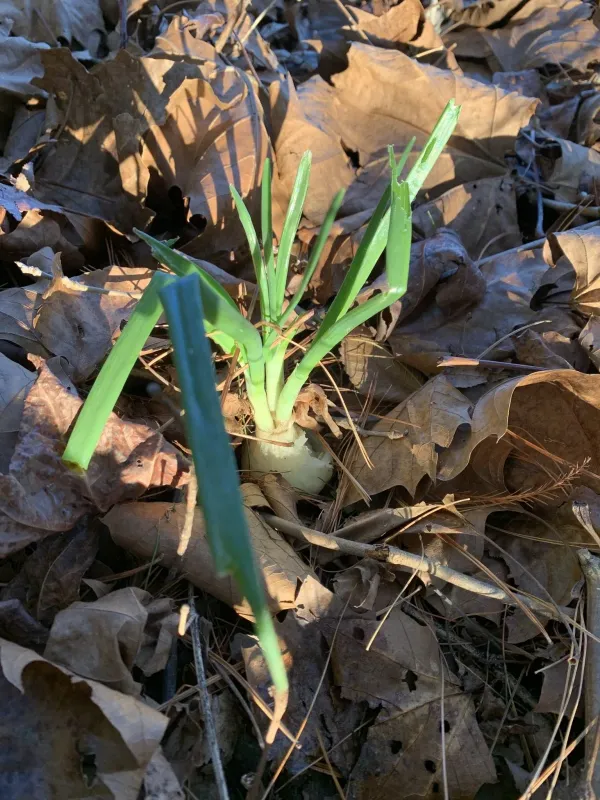
Description
Sowing dates
Onion (Allium cepa L. var. cepa) is a biennial herbaceous plant belonging to the Amaryllidaceae family, commonly cultivated globally as an annual vegetable crop.
In temperate climates, seeds are often started indoors in late winter to produce transplants, which are then moved to the field as soon as the soil is workable in early spring.
Alternatively, onion sets (small immature bulbs) are planted directly into the garden beds in early spring, providing a faster and more reliable way to produce mature bulbs.
Winter onions are sown in late autumn, allowing the plants to establish a root system before the ground freezes, which helps them emerge vigorously in the following spring.
The selection of the sowing method is heavily influenced by the specific day-length sensitivity of the variety, as onions are categorized into short-day, intermediate-day, and long-day types.
Growing requirements
Onions thrive in full sun and require well-drained, fertile soil rich in organic matter, with a pH ranging between 6.0 and 7.0 for optimal nutrient availability.
Consistent soil moisture is essential during the early stages of development to support rapid leaf growth, but irrigation should be tapered off as bulbs begin to mature.
The crop prefers cool temperatures for early development and warmer conditions for bulb enlargement, typically performing best between 15°C and 25°C.
Proper field drainage is critical, as onions are highly susceptible to root and bulb rot in waterlogged conditions, which can lead to significant crop loss.
Crop rotation is mandatory to reduce the buildup of soil-borne pathogens; it is best to rotate onions with leafy greens or solanaceous crops to maintain soil health.
Yield
The yield of Allium cepa is highly dependent on planting density, irrigation efficiency, and the application of fertilizers balanced in nitrogen, phosphorus, and potassium.
In professional agriculture, growers often achieve yields ranging from 40 to 80 metric tons per hectare, depending on whether the crop is grown for storage or fresh market.
Gardeners can expect high productivity by ensuring that weeds are strictly controlled, as onions have shallow roots and are poor competitors for space and water.
Hybrid varieties are frequently used in modern production systems to ensure uniformity in bulb size, shape, and resistance to environmental stress factors.
Proper nutrient management, especially supplying adequate sulfur, enhances the flavor profile and storage quality of the bulbs at the end of the growing season.
Main diseases and pests
Downy mildew, caused by Peronospora destructor, is a major fungal threat that manifests as pale spots on leaves, rapidly spreading under humid conditions.
Neck rot (Botrytis) is a common storage disease that occurs when bulbs are not properly cured, leading to soft, decaying tissue around the stem end.
Onion maggots represent one of the most destructive insect pests, as they tunnel into the bulbs, causing stunting, yellowing, and eventual plant death.
Thrips are also a recurring issue, causing silver-white streaks on the foliage, which reduces the photosynthetic capacity of the plant and lowers final bulb size.
- Implement strict crop rotation
- Use certified disease-free seeds or sets
- Monitor fields regularly for pest pressure
- Ensure proper spacing to promote airflow
Harvesting
Harvesting should occur when 50% to 80% of the onion tops have fallen over naturally, signaling that the plant has ceased active growth and bulb maturation is complete.
Pulling the bulbs during dry weather is crucial, as moisture at harvest can invite pathogens and significantly reduce the shelf life of the produce.
Once harvested, onions must be cured in a warm, dry, and well-ventilated location for two to three weeks to allow the outer skins to dry and the necks to seal properly.
The curing process is the most important step for long-term storage, as it creates a barrier against fungal infections and prevents water loss from the bulb.
After curing, the tops can be trimmed, and the onions should be stored in cool, dark environments with low humidity to maintain dormancy until they are ready for market.