
Wood's olive
Olea woodiana
Description
Growing requirements
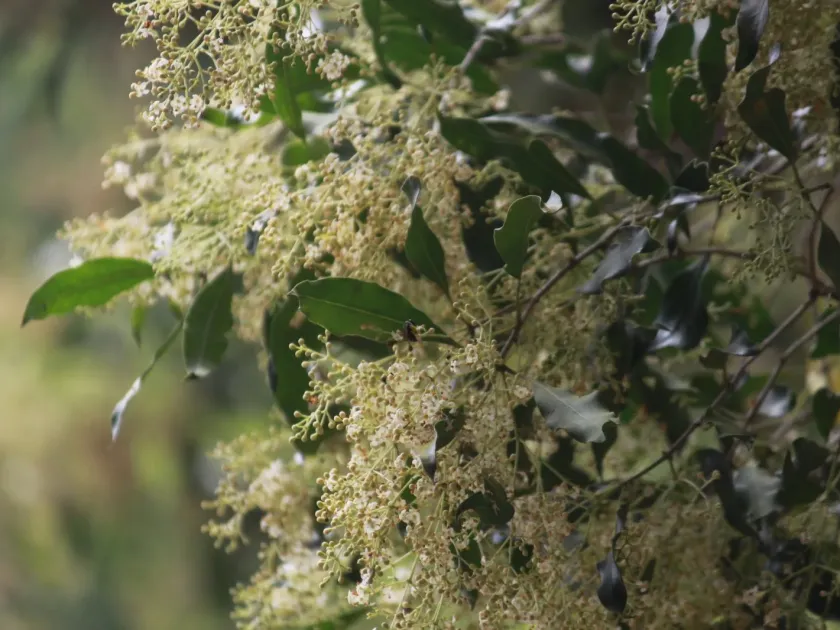
Wood's olive (Olea woodiana) is a distinctive evergreen species belonging to the Oleaceae family. It is native to South Africa, where it thrives in coastal forests and woodland areas. The plant is characterized by its glossy, dark green foliage and dense canopy growth habit.
This species requires well-draining, fertile soil to ensure optimal root health. In cultivation, it performs best in slightly acidic to neutral soil conditions. Proper soil structure is essential, as waterlogging is highly detrimental to this plant, often leading to rapid root decline.
Climate requirements for this plant are centered on subtropical conditions with minimal exposure to frost. While it exhibits some drought tolerance once established, consistent soil moisture during the growing season is crucial for maintaining foliage quality and overall vigor.
Agricultural management includes regular pruning to maintain desired shape and improve light penetration into the interior of the crown. Fertilizer application should be focused on the spring season to support the emergence of new growth and enhance long-term tree structure.
The economic and practical utility of Olea woodiana lies mainly in its role as a specimen tree in landscapes and its contribution to forest restoration projects. The timber produced is known for its durability and fine grain, though slow maturation rates limit its use in commercial timber production.
Main diseases and pests
Key threats include fungal pathogens such as leaf spot, which thrive in stagnant, humid environments. Maintaining adequate space between plants and promoting air circulation are primary cultural controls used to prevent these infections.
Insect pests, specifically armored scales and spider mites, represent a common challenge. Infestations are typically managed through monitoring the undersides of leaves and applying targeted horticultural oils or insecticides when populations exceed established economic thresholds.