
Nicotiana debneyi
Nicotiana debneyi
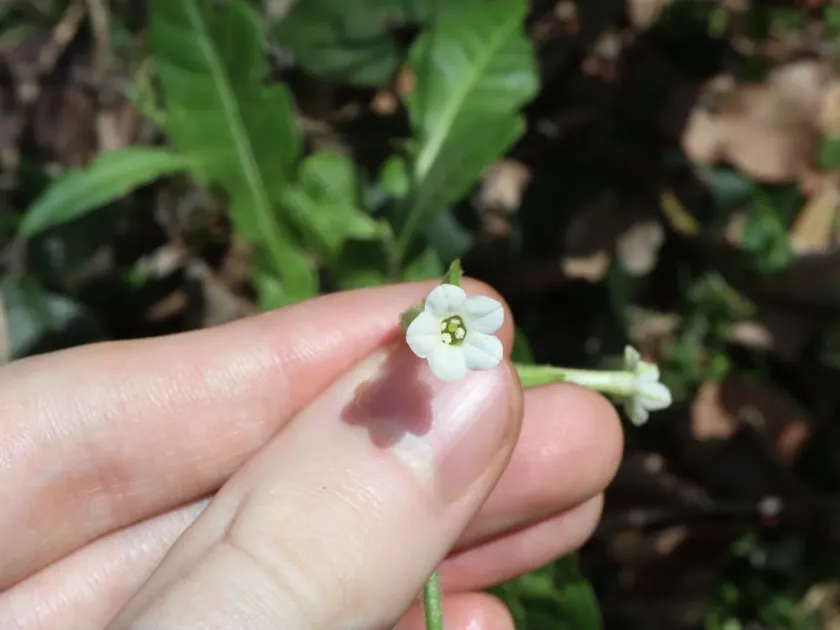
Description
Sowing dates
Nicotiana debneyi is a wild species of the Solanaceae family, primarily cultivated in research environments rather than commercial fields. Seeds are sown in controlled laboratory or greenhouse conditions to ensure the preservation of its valuable genetic characteristics.
The sowing process requires precision due to the small size of the seeds. It is essential to use a high-quality, sterile growing medium that allows for optimal germination under consistent temperatures and light exposure.
Spring is the preferred time for sowing, as the increasing day length and temperature support uniform development. Seeds are lightly pressed into the soil surface, as light is often a stimulus for successful germination in this genus.
Frequent, light misting is recommended to maintain surface moisture without displacing the small seeds. Once seedlings reach the true-leaf stage, they are carefully transplanted into individual pots to facilitate root development.
Proper record-keeping during the sowing process is vital for breeding programs. Tracking germination rates and seedling vigor allows researchers to select the most robust specimens for cross-breeding experiments with cultivated tobacco.
Growing requirements
Originating from the arid and semi-arid regions of Australia, Nicotiana debneyi is naturally adapted to challenging environments. It thrives in well-draining, sandy soils that prevent waterlogging and promote root aeration.
The plant requires significant sunlight to maintain its physiological health and promote the production of secondary metabolites. In indoor settings, high-intensity LED or metal halide lighting is necessary to mimic natural conditions.
Watering should be approached with caution, as the species is highly sensitive to excessive soil moisture. A cyclical drying-out period between waterings is essential to prevent root rot and ensure the overall vitality of the plant.
Environmental conditions should mimic subtropical climates, with temperature ranges favoring steady, moderate growth. High humidity levels should be avoided, especially in confined spaces, to minimize the risk of pathogen outbreaks.
Soil pH should be kept within the neutral to slightly acidic range. Regular application of a balanced, low-concentration fertilizer during the active growing season helps maintain the plant's health and vigor.
Main diseases and pests
Nicotiana debneyi is globally recognized for its exceptional genetic resistance to various diseases, including blue mold (Peronospora tabacina). This makes it a crucial resource for breeding programs aiming to develop resilient tobacco varieties.
In indoor cultivation, the species can be susceptible to common pests such as aphids, spider mites, and whiteflies. These pests not only weaken the plant but can also serve as vectors for various viral diseases.
Root-related pathogens pose a risk only under conditions of poor drainage or overwatering. Maintaining a sterile growing environment and ensuring proper air circulation are the primary methods for preventing these threats.
Integrated pest management strategies are often employed to protect these plants, as their unique resistance genes are highly valued. Biological controls are generally preferred over synthetic pesticides to avoid stressing the plant.
Continuous monitoring of leaf texture, color, and growth rate is necessary to detect early signs of stress. Any deviation from the standard phenotype should be investigated to protect the integrity of the genetic stock.
Harvesting
Harvesting Nicotiana debneyi is focused on collecting viable seeds for future research and breeding. The harvest process begins when the seed capsules turn brown and begin to dry naturally on the stalks.
After harvesting, the seed heads are dried in a well-ventilated, low-humidity environment. This drying stage is critical to ensure that no residual moisture remains in the seeds, which could compromise their long-term storage viability.
Threshing and cleaning are performed to separate the small seeds from the organic debris. High purity is essential to ensure that the stored genetic material remains free of contaminants for future use in lab settings.
Seeds are stored in sealed containers under cold, dry conditions. This approach allows researchers to maintain the genetic integrity of the specific accession for several years, supporting longitudinal studies.
The remaining biomass is disposed of according to strict institutional biosecurity protocols. As a wild species with specific genetic traits, preventing accidental dispersal or cross-contamination is a priority for researchers.