
Neowerdermannia vorwerkii
Neowerdermannia vorwerkii
Description
Growing requirements
Neowerdermannia vorwerkii is a distinctive cactus species belonging to the family Cactaceae. Native to the high-altitude regions of the Andes in Bolivia and Argentina, this plant has evolved to thrive in harsh, rugged environments at elevations often exceeding 3000 meters.
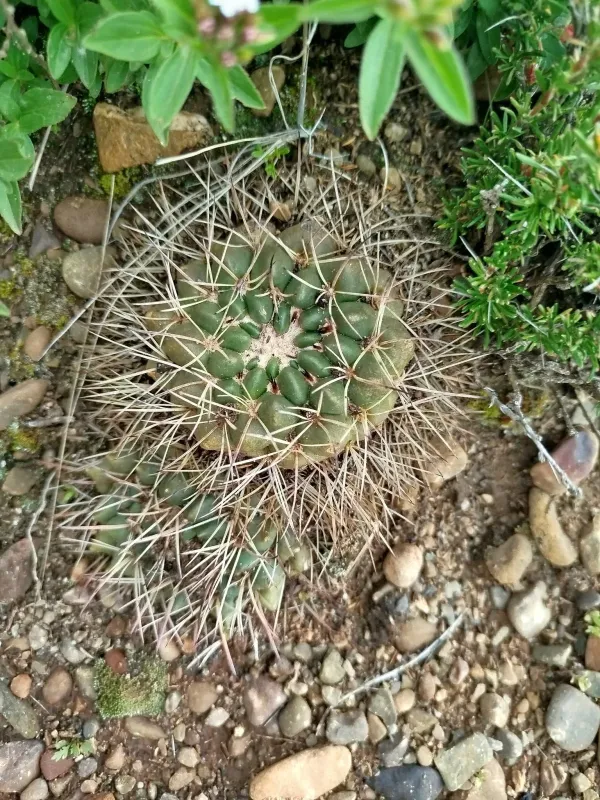
Botanically, the species is recognized by its flattened, globose stem featuring prominent tubercles and strong spines. This structure is a specialized adaptation designed to minimize water loss and protect the plant from intense solar radiation found at high altitudes.
Successful cultivation requires a highly porous, mineral-based substrate. Standard potting soils are unsuitable; instead, a mix of grit, pumice, and minimal inorganic soil is recommended to ensure rapid drainage and prevent water accumulation around the roots.
Light requirements are stringent for this species. To maintain its natural, compact habit and encourage flowering, Neowerdermannia vorwerkii demands maximum exposure to direct sunlight. Inadequate light levels will lead to etiolation and structural weakness.
Environmental management involves simulating alpine fluctuations. The plant requires a strictly dry and cool dormancy period during winter, which is critical for initiating its growth cycle and promoting the development of flowers in the following season.
Main diseases and pests
The primary threat to the health of Neowerdermannia vorwerkii is root rot, frequently caused by overwatering or soil mixes that retain moisture for too long. Maintaining a well-aerated environment is essential to mitigate this risk.
Spider mites are a common pest that targets the epidermis of the cactus, especially in environments with poor air circulation. These small insects can cause scarring and significantly impair the plant's aesthetic and physiological condition.
Mealybugs are another persistent threat, often clustering within the deep crevices between tubercles. Early detection and the application of appropriate systemic insecticides are vital for effective population control.
High humidity combined with low temperatures significantly increases the risk of fungal pathogens. Protecting the plant from damp conditions, particularly during the dormant season, is a fundamental aspect of its maintenance.
Physical damage or sudden changes in light intensity can cause epidermis burn or tissue necrosis. Gradually acclimatizing the plant to seasonal changes ensures the preservation of its integrity and long-term viability.