
Neowerdermannia chilensis
Neowerdermannia chilensis
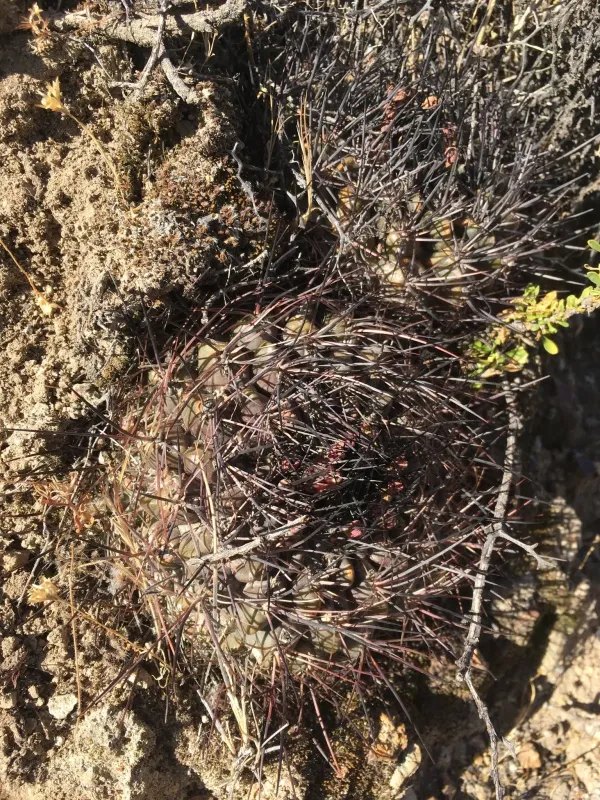
Description
Sowing dates
Propagation of Neowerdermannia chilensis is primarily performed by seeds, as the plant rarely produces offsets. Seeds should be sown in early spring, maintaining a stable temperature between 22–25 degrees Celsius for successful germination.
A sterile mineral substrate, consisting of sand, perlite, and crushed gravel, is recommended for sowing. Maintaining moderate humidity along with proper ventilation is crucial during the early stages of seedling development to prevent fungal growth.
The first transplanting (pricking out) is carried out 6–8 months after germination, once the cacti reach the size of a large pea. It is essential to handle the delicate root system with care, as it is slow to recover if damaged during the process.
Young plants require supplemental lighting if natural sunlight is insufficient; otherwise, they tend to become etiolated, losing their characteristic compact form. Using LED grow lights helps maintain the natural shape of the stem during the first year.
The transition to the full growing regimen for adult specimens should be gradual, allowing the young plants to acclimate to the harsher environmental conditions typical of their high-altitude native habitat.
Growing requirements
Neowerdermannia chilensis is a high-altitude cactus belonging to the Cactaceae family, native to the harsh environments of the Andes at elevations reaching 3000 to 4000 meters. The plant is adapted to extreme diurnal temperature fluctuations and intense solar radiation.
Successful cultivation requires a highly permeable soil mix composed primarily of mineral components, such as gravel, pumice, or zeolite. Organic matter content should be kept to a minimum to prevent root rot.
During the active growing season, the plant requires deep but infrequent watering, allowed only after the substrate has dried out completely. It is important to avoid water accumulation near the root crown, as this is the most vulnerable part of the plant.
The cactus prefers a cool winter dormancy period with temperatures between +5 and +10 degrees Celsius, with no water provided. This resting phase is a necessary condition to stimulate flowering in the upcoming season.
Neowerdermannia needs maximum exposure to fresh air and bright light throughout the year. Growing it in closed environments without adequate air circulation often leads to a compromised immune system and stunted growth.
Main diseases and pests
The primary threat to this culture, when agronomic practices are neglected, is root and stem rot caused by waterlogged substrate. Fungal infections can penetrate internal tissues rapidly, often resulting in the total loss of the specimen within a short time.
Root mealybugs pose the greatest danger among pests, as they often go undetected deep within the soil. Periodic inspections of the root system during repotting are essential for the early detection and management of these parasites.
Spider mites may attack the stem in environments with excessively dry, stagnant air, leaving microscopic damage on the cactus epidermis. Preventive measures include maintaining a proper level of airflow around the plants.
Systemic insecticides are recommended for pest control, though applications should be performed with extreme caution to avoid over-wetting the stem. Care must be taken to prevent chemicals from contacting the flower buds during the blooming stage.
- Quarantining all newly acquired specimens
- Using sterilized tools for all maintenance tasks
- Ensuring drainage holes in pots remain clear
- Minimizing physical stress to the roots during handling
- Applying high-quality fungicides at the first sign of discoloration