
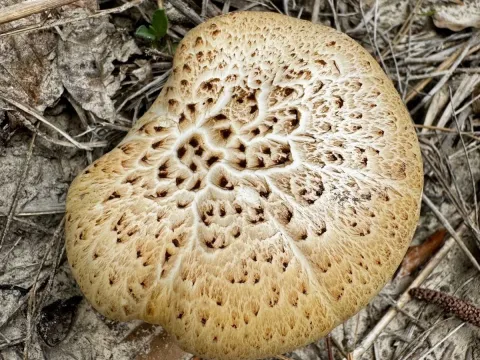
Neolentinus
Neolentinus Redhead & Ginns
Neolentinus cultivation requires rigorous substrate preparation. Inoculation should occur when indoor climate controls can maintain a steady temperature of +22...+24°C.
What the section contains

Neolentinus
Mycelium colonization typically takes 3 to 5 weeks. During this phase, it is crucial to keep the substrate blocks in a dark environment to ensure optimal growth.
Grain spawn is the preferred method for inoculation. The spawn must be mixed into a sterilized wood-based substrate to facilitate rapid and uniform colonization.
Heat treatment of the substrate is necessary to eliminate competitors such as molds or bacteria. This creates a clean environment that allows Neolentinus to thrive.
Strict hygiene standards during the spawning process are critical. Any contamination at this stage can result in significant losses and compromised crop quality.
As a member of the Polyporaceae family, Neolentinus is a wood-decaying fungus that thrives on hardwood sawdust, chips, or straw enriched with nitrogen supplements.
High relative humidity, ideally between 85% and 90%, is essential for the development of fruiting bodies. Proper moisture management prevents the drying of primordia.
Adequate lighting is required once fruiting begins. Providing 8 to 10 hours of diffused light daily is vital for the natural development of mushroom caps.
Temperature during the fruiting stage should be lowered to +15...+18°C. This cooler range triggers the initiation and synchronized growth of the mushrooms.
Effective ventilation is required to remove CO2 buildup. High carbon dioxide levels can cause abnormal development, such as elongated, spindly stems.
Under optimal conditions, Neolentinus can yield 15–20% of the substrate's total weight. Yield is highly dependent on substrate nutrition and climate control consistency.
The harvest occurs in flushes, with the first flush usually being the most productive. Proper hydration between flushes helps sustain the vitality of the mycelium.
Fruiting bodies can reach up to 15 cm in diameter. Timely harvesting is recommended to ensure the mushrooms maintain their optimal texture and culinary value.
Each substrate block typically remains productive for a cycle of 3 to 4 months. After this period, the nutrient content is depleted, and the block is replaced.
Maximizing output requires a balance between nutrient additives in the substrate and a strict maintenance schedule for the growing chambers.
Molds, particularly Trichoderma species, represent the primary threat to Neolentinus crops. They thrive in unsterilized substrates and poorly ventilated areas.
Bacterial soft rot can occur if moisture is excessive or if water is sprayed directly onto the caps. Maintaining good air circulation is key to preventing rot.
Fungus gnats and other pests can damage both the mycelium and the developing caps. Installing fine-mesh screens on vents is a recommended preventative measure.
Failure to maintain appropriate temperatures can lead to physiological disorders. Integrated climate sensors help avoid heat stress in the growing chambers.
Regular sanitation of the facility between harvest cycles is essential to prevent the accumulation of pathogens and to keep the growing environment productive.