
Nauclea orientalis
Nauclea orientalis
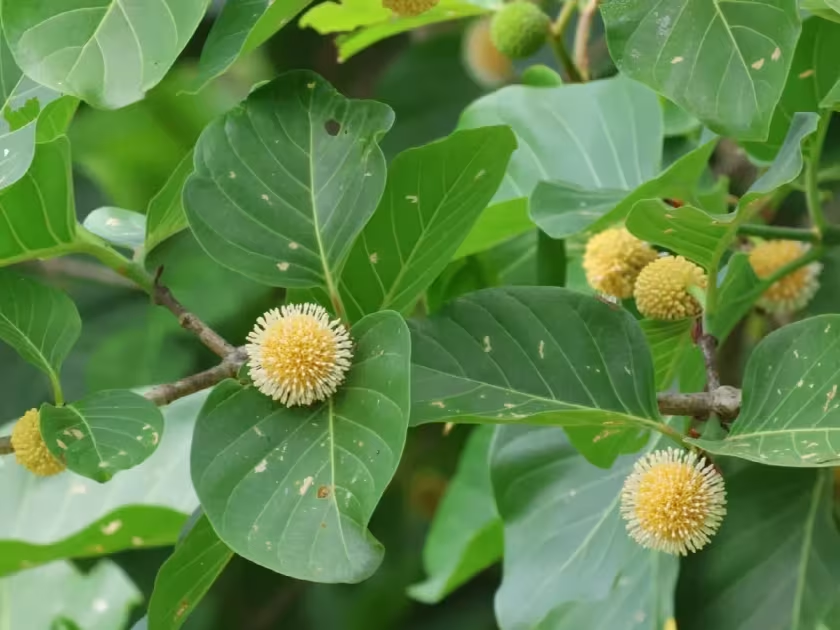
Description
Growing requirements
Nauclea orientalis, commonly known as the Leichhardt tree, is a species of flowering plant in the family Rubiaceae native to tropical regions.
The species thrives in moist tropical environments, preferring fertile, well-drained alluvial soils found along riverbanks and riparian zones.
It requires high humidity and consistent tropical temperatures to reach its full development potential, avoiding areas prone to long droughts.
Optimal growth is achieved in partial shade during the early stages of life, as the seedlings are susceptible to scorching from intense direct sunlight.
The plant demonstrates a strong preference for soil with high organic matter content and requires effective drainage to prevent root asphyxiation during wet periods.
Yield
The primary economic output of Nauclea orientalis is its durable, high-quality timber, often used for fine furniture, joinery, and ship construction.
The wood is highly valued for its resistance to rot and insect attacks, making it a sustainable choice for various outdoor and indoor structural applications.
Pharmacological research indicates that extracts from the bark and roots contain bioactive compounds with potential applications in modern medicine.
The tree also serves an important role in restoration ecology, as it is used to stabilize riverbanks and provide habitats for local wildlife species.
Sustainable plantation management involves selective harvesting and enrichment planting to ensure long-term productivity and forest health.
Main diseases and pests
Pests such as wood-boring beetles represent the most significant threat to the tree's health, as they can cause extensive damage to the heartwood.
Root rot, induced by waterlogged conditions and certain soil-borne fungi, remains a frequent concern for nursery stock and plantation trees.
- Monitor for signs of stem decay.
- Avoid over-watering in poorly drained zones.
- Implement regular pruning to improve airflow.
- Remove heavily infested specimens to prevent spreading.
Foliar diseases can also occur in high-density plantings where humidity levels remain stagnant for extended periods, requiring careful management.
Preventative cultural practices, including maintaining proper spacing and regular sanitation, are the best methods to mitigate these biological threats.