
Slender birdsfoot trefoil
Lotus tenuis Waldst. et Kit. ex Willd.
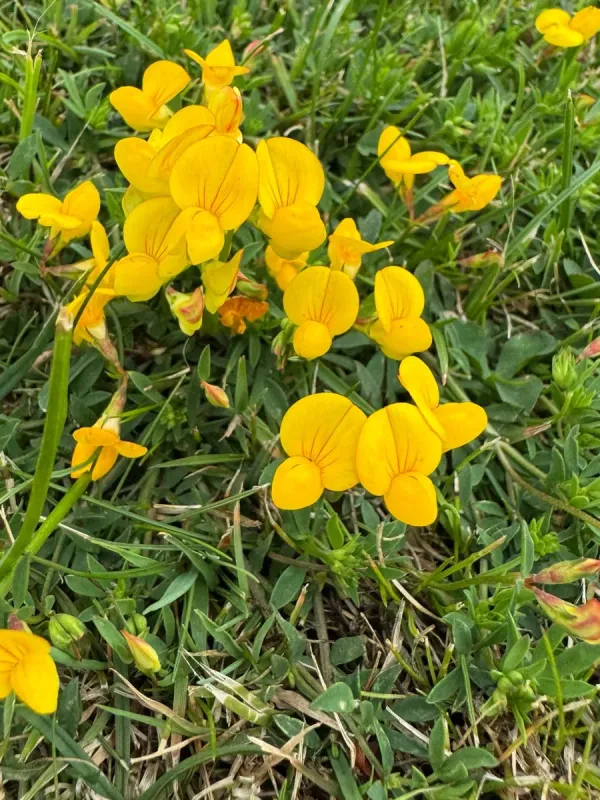
Description
Sowing dates
The optimal time for sowing slender birdsfoot trefoil is early spring when soil moisture is at its peak. This ensures that the seeds have sufficient water to germinate effectively and establish deep root systems before the onset of summer heat.
Seed depth is a critical factor for successful emergence; it should not exceed 1 to 2 centimeters. Shallow sowing ensures that the seedling does not exhaust its energy reserves before reaching the soil surface to begin photosynthesis.
The seeding rate varies depending on the intended use, typically ranging from 8 to 12 kilograms per hectare for pure stands. When integrated into pasture mixtures, this rate can be adjusted according to the competition from associated grasses.
Post-sowing rolling is highly recommended to ensure good soil-to-seed contact. This practice is essential for maintaining capillary water movement, which is particularly important in lighter or saline soils where surface moisture dries quickly.
Seedlings develop slowly during the initial growth stages, making them vulnerable to weed competition. Effective weed management during the first month is crucial to prevent the crop from being overtaken by faster-growing species.
Growing requirements
Slender birdsfoot trefoil is highly valued for its exceptional tolerance to saline and alkaline soil conditions. It serves as an excellent choice for land reclamation and establishing productive pastures on marginal soils where other legumes fail.
The plant performs well on a variety of soil textures, including clay and loamy soils, provided there is adequate drainage. It is a nitrogen-fixing legume, meaning it establishes symbiotic relationships with soil bacteria to meet its nutrient needs.
It displays remarkable drought resistance due to its deep root system, allowing the plant to tap into moisture reserves deeper in the soil profile. Furthermore, it has shown good tolerance to occasional waterlogging or temporary floods.
As a sun-loving crop, it yields best in open, well-lit environments. Excessive shading in dense, poorly managed stands can lead to a decrease in leaf density and overall plant vigor, reducing the nutritional value of the forage.
The crop is well-adapted to temperate climates and demonstrates good winter hardiness. While it can withstand various weather fluctuations, maintaining healthy stands through balanced grazing practices is key to long-term productivity.
Main diseases and pests
Under conditions of high humidity or overly dense growth, the crop may be susceptible to powdery mildew. This fungal disease appears as a white, powdery layer on the leaves, which can reduce biomass quality if left unmanaged.
Seed-producing stands may face pressure from weevils that feed on the reproductive structures. These pests can significantly impact seed yield, necessitating careful monitoring during the flowering stage to protect the potential harvest.
Aphids occasionally colonize the soft, young shoots of the plant, drawing nutrients and causing stunted growth. While usually not lethal, they can weaken the plant and make it more susceptible to other environmental stressors.
Integrated pest management, including proper field rotation and timely harvesting, is the most effective way to manage these threats. Keeping the stand healthy and vigorous remains the primary defense against disease outbreaks.
Avoiding overgrazing is essential for maintaining crop resistance. By allowing sufficient recovery periods for the plants, growers can ensure that the trefoil remains competitive and healthy throughout the growing season.