
Narcissus tenuior
Narcissus tenuior
Description
Growing requirements
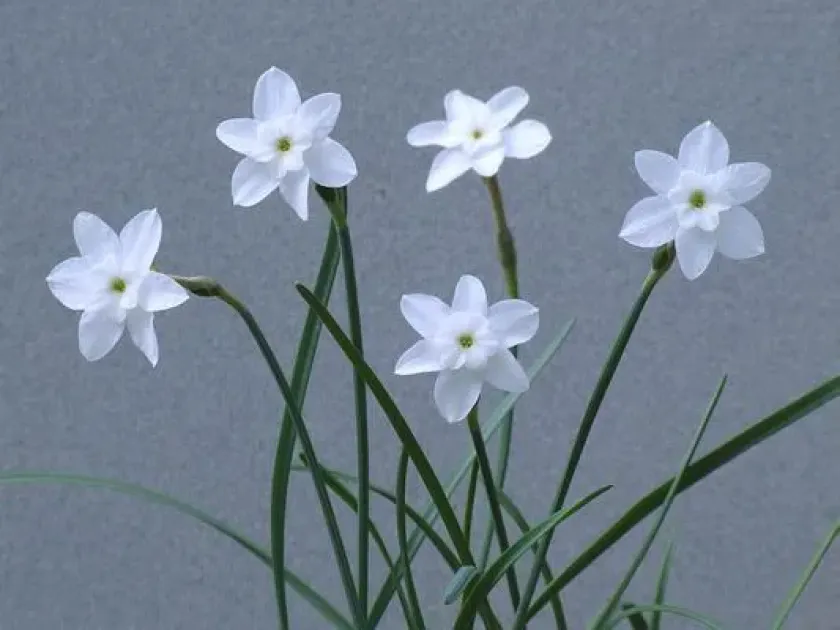
Narcissus tenuior is a bulbous perennial belonging to the Amaryllidaceae family. This species is recognized for its slender habit and delicate flowers, making it a highly valued specimen in botanical collections and residential landscapes.
The plant thrives in well-draining, fertile soils with a neutral pH. Proper soil structure is essential to prevent waterlogging, which often leads to bulb decay and root rot during the dormant winter period.
Sunlight requirements for this species are moderate to high. While it prefers full sun for vigorous growth, partial shade during the hottest part of the day can prolong the blooming period and protect the petals from fading prematurely.
Climatic requirements involve a period of cool temperatures to trigger the development of inflorescences. It is a temperate-zone bulb that adapts well to various environments, provided there is a clear distinction between the growing and dormant seasons.
In landscape architecture, Narcissus tenuior is typically used in rock gardens, borders, and naturalized meadows. Its elegant form provides a sophisticated aesthetic that distinguishes it from more common, robust Narcissus cultivars.
Main diseases and pests
The most significant pathological threats to this plant are fungal diseases, such as Fusarium basal rot. These fungi thrive in damp conditions and can quickly destroy the root system if the planting site is poorly drained.
Viral infections represent another major challenge, often transmitted by aphids or contaminated gardening tools. Symptoms include mosaic-like patterns on leaves and color-breaking in flowers, which significantly degrade the plant's health and appearance.
The narcissus fly is a common pest that poses a severe threat. Its larvae bore into the bulb, consuming the internal tissues and rendering the plant incapable of growth; preventative chemical treatments or biological controls are often necessary.
Nematodes are subterranean pests that cause stunting and chlorosis. Because they live in the soil and tissues, managing them requires strict sanitation practices, including the use of certified disease-free bulbs for new plantings.
Slugs and snails can be highly destructive in humid environments, particularly in early spring when the tender shoots emerge from the soil. Integrated pest management, including physical barriers, is recommended to mitigate this damage.
Harvesting
The harvest or lifting of bulbs is conducted after the foliage has naturally yellowed and withered. This process marks the transition into the dormancy phase, allowing the bulb to sequester enough energy for the upcoming year.
Once lifted, bulbs should be gently cleaned of soil and debris, then cured in a cool, dark, and well-ventilated area for several days. Proper curing is essential to close wounds and harden the outer scales before storage.
For storage, bulbs should be kept in breathable containers like mesh bags or shallow crates. Maintaining a consistent temperature and low humidity prevents premature sprouting and fungal growth throughout the off-season.
Routine division of clumps is recommended every few years to maintain plant vigor. Overcrowded bulbs tend to produce fewer flowers, so regular thinning is necessary for sustained health and display quality.
During transport, bulbs must be packed carefully to avoid bruising. Maintaining the integrity of the basal plate is critical, as any damage to this area increases the risk of infection after replanting in the next cycle.