
Narcissus serotinus
Narcissus serotinus
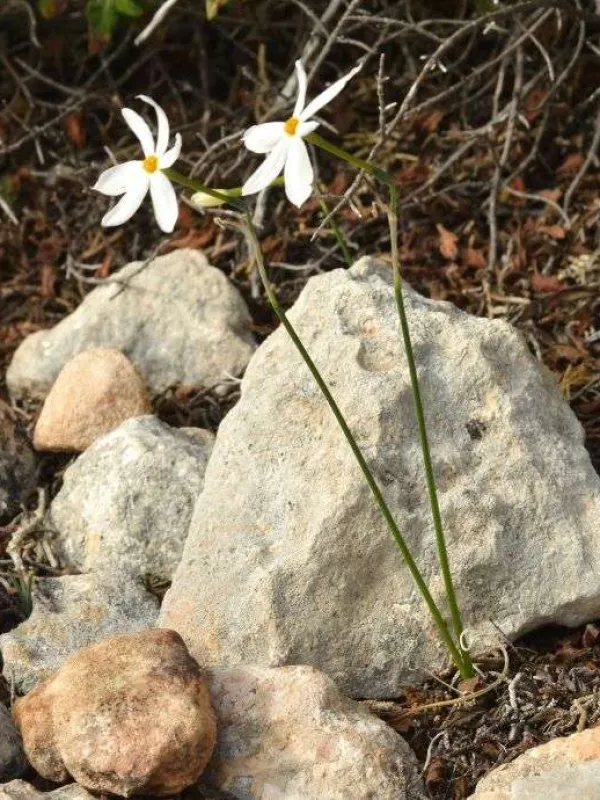
Description
Sowing dates
Planting of Narcissus serotinus bulbs typically occurs in late summer, ensuring the bulbs are established before the autumnal growth and flowering phase begins.
The bulbs should be placed at a depth of approximately 8–10 centimeters in well-draining soil to protect them from environmental stress and ensure healthy root development.
Selecting a location with excellent drainage is crucial, as Narcissus serotinus is highly susceptible to rot if moisture levels around the bulb remain too high.
When cultivating in containers, it is essential to use a porous, gritty substrate that mimics the natural rocky habitats of this species to ensure success.
Spacing the bulbs about 10–15 centimeters apart prevents overcrowding and allows for sufficient nutrient uptake, which is vital for the plant's seasonal performance.
Growing requirements
Narcissus serotinus is a member of the Amaryllidaceae family, renowned for its late-season flowering cycle which distinguishes it from common spring-blooming varieties.
The species thrives in sunny, open environments that provide the necessary light intensity to support its specific metabolic processes during the autumn months.
Soils must be sandy or stony with a neutral pH, as this prevents the accumulation of water and provides the aeration needed for the bulb to breathe during dormancy.
Climatic requirements focus on a warm, dry summer period followed by a mild, moist autumn, which acts as the primary trigger for the plant's unique flowering period.
Low humidity during the summer dormancy period is a non-negotiable requirement to keep the bulbs healthy and prevent the onset of fungal development.
Main diseases and pests
Fungal pathogens such as basal rot represent the most significant threat to the culture, often exacerbated by stagnant water and insufficient soil drainage.
The narcissus fly larvae can cause devastating damage by consuming the bulb's interior, leading to the sudden collapse of the foliage and eventual plant death.
Nematode infestations frequently lead to distorted leaf growth and poor vitality, significantly impacting the overall biomass and floral potential of the crop.
Virus transmission through mechanical tools or sap-sucking insects remains a major concern, necessitating strict sanitation protocols for any agricultural equipment used.
Effective pest and disease management involves the consistent application of targeted fungicides and ensuring that only healthy bulbs are selected for reproduction.