
Rough daffodil
Narcissus scaberulus
Description
Growing requirements
The rough daffodil (Narcissus scaberulus) is a perennial bulbous plant belonging to the Amaryllidaceae family. It is a rare endemic species, primarily native to the rocky and sandy landscapes of Portugal, which determines its specific ecological needs.
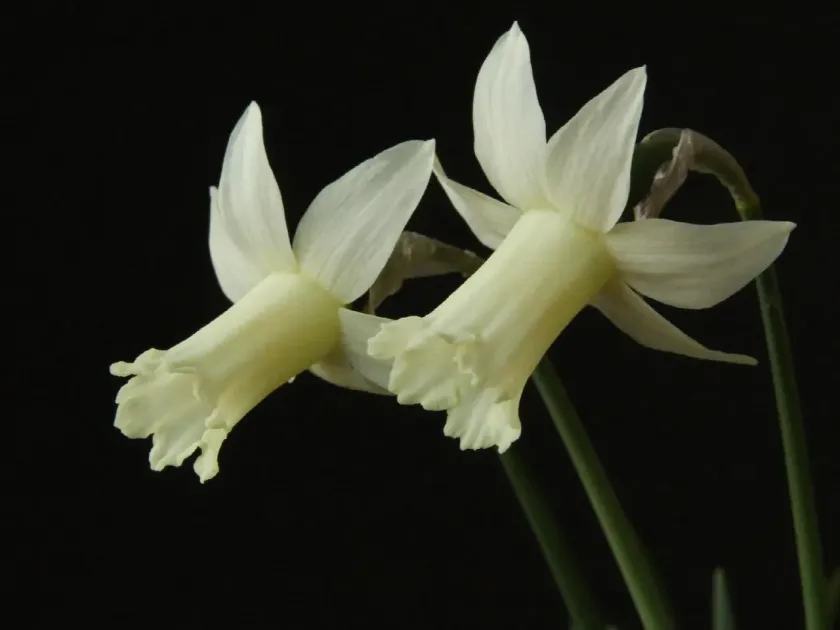
Botanically, it is a miniature plant, reaching a height of only 10 to 15 centimeters. The species is characterized by its narrow, channeled leaves that possess a unique rough texture, a feature that distinguishes it from other common narcissus varieties.
The cultivation of Narcissus scaberulus requires excellent drainage and a sunny location. In its natural habitat, it thrives in stony, nutrient-poor soil, so home growers should aim to replicate these conditions using a grit-heavy compost mix.
This species is well-adapted to Mediterranean-type climates with mild winters. In areas with harsh frosts, it is recommended to grow this plant in pots or alpine houses to provide better control over soil moisture and temperature during the dormant season.
Due to its small stature and delicate yellow flowers, the plant is highly valued by collectors for rock gardens and pots. It serves as an excellent example of botanical diversity within the genus, often used in hybridizing programs to develop new, compact ornamental cultivars.
Main diseases and pests
The most significant threat to the rough daffodil is basal rot and other fungal diseases caused by waterlogging. When moisture persists around the bulb, pathogens quickly penetrate the plant's tissues, leading to rapid decay.
In terms of pests, the narcissus fly (Merodon equestris) is a major concern, as its larvae feed on the bulbs, destroying them from within. Additionally, slugs and snails pose a constant risk, especially to the tender spring foliage.
Effective management involves treating bulbs with systemic fungicides before planting and ensuring the soil remains light and airy. Regular monitoring is essential to detect pest infestations before they spread across the entire collection.
Proper hygiene, such as removing decaying plant debris and avoiding overhead watering during cool weather, significantly reduces the likelihood of outbreaks of fungal infections.
When implementing chemical control measures, it is vital to follow strict dosage guidelines to avoid phytotoxicity, as miniature species like Narcissus scaberulus can be more sensitive to aggressive pesticides than larger hybrids.