
Narcissus obsoletus
Narcissus obsoletus
Description
Growing requirements
Narcissus obsoletus is a perennial bulbous plant belonging to the Amaryllidaceae family. Native to the Mediterranean region, it has evolved to thrive in environments characterized by dry summers and mild, moist winters, which dictate its unique vegetation cycle.
The plant requires full sun exposure to ensure successful flowering and bulb maturation. Unlike many commercial varieties, it flourishes in rocky or well-drained soils where mineral content is sufficient, and the risk of waterlogging is minimized through natural or artificial drainage.
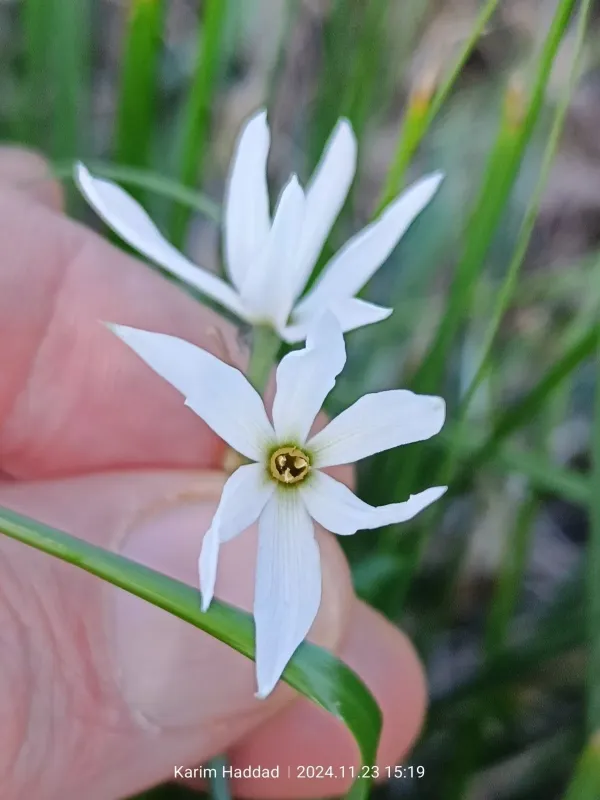
Botanically, this species is noted for its autumn-flowering habit. The plant produces slender, grass-like leaves and small, delicate white or pale flowers that stand out during the late season when most other bulbous species have already entered dormancy.
Regarding agrotechnology, the planting depth should be moderate, allowing the bulb to stay cool during the heat of summer. Proper irrigation is crucial during the active growth phase in late summer and early autumn to support flower stalk development.
Economically, Narcissus obsoletus is highly valued in specialty horticulture and landscape architecture. Its ability to provide floral displays in autumn makes it an essential component for diverse perennial gardens and rockery designs.
Main diseases and pests
Major pests affecting this crop include the narcissus bulb fly and various species of nematodes. Regular monitoring of the foliage and post-harvest inspection of bulbs are essential practices to maintain a healthy population.
Fungal pathogens such as Fusarium oxysporum pose a significant threat, especially if the soil lacks proper drainage. Implementing strict sanitation, such as removing debris and ensuring proper spacing, is vital for disease prevention.