
Narcissus nivalis
Narcissus nivalis
Description
Growing requirements
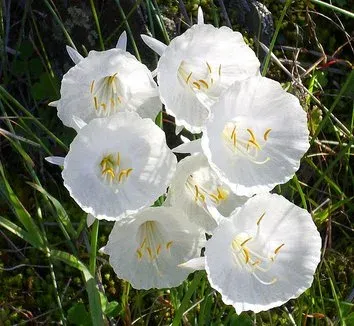
Narcissus nivalis is a perennial bulbous plant belonging to the Amaryllidaceae family. It is a rare, specialized species native to the high-altitude regions of the Iberian Peninsula, specifically flourishing in mountain limestone habitats.
This species is characterized by its compact habit and extreme resilience to cold. It is biologically adapted to bloom immediately after the snow melts, making it a highly specialized plant that requires precise environmental mimicking in cultivation.
Ideal cultivation sites must provide excellent soil drainage. The plant thrives in poor, rocky, and neutral to slightly alkaline substrates. Heavy, fertile, or water-logged soils are detrimental to the health of its bulbs and root system.
Light exposure is a critical factor for Narcissus nivalis. It requires full sunlight to initiate the flowering process and ensure the proper maturation of the bulb after the short growing season typical of alpine environments.
Horticulturally, this species is used primarily for rock gardens and specialty alpine collections. It is valued by enthusiasts for its delicate appearance and its ability to withstand the harsh conditions of high-altitude ecosystems.
Main diseases and pests
The primary threats to Narcissus nivalis are fungal pathogens such as Fusarium basal rot. These fungi thrive when moisture levels in the soil are too high or when drainage is inadequate, leading to rapid bulb decomposition.
Pests like the narcissus bulb fly (Merodon equestris) pose a significant danger. Larvae of this insect burrow into the bulb, consuming the internal tissues and often causing the total death of the plant during the dormant phase.
Nematodes are another serious concern, causing stunted growth and distorted leaf development. These microscopic pests are difficult to eradicate once they have infested a planting site, necessitating strict quarantine of new bulbs.
Slugs and snails can cause substantial mechanical damage to the foliage and flower stalks during the early spring season. Regular monitoring and physical barriers are recommended to protect the plants during their most vulnerable growth stages.
Integrated pest management, combined with rigorous cultural practices such as ensuring proper spacing and removing debris, is essential to maintain the vitality of Narcissus nivalis populations in a controlled garden setting.