
Musk narcissus
Narcissus moschatus
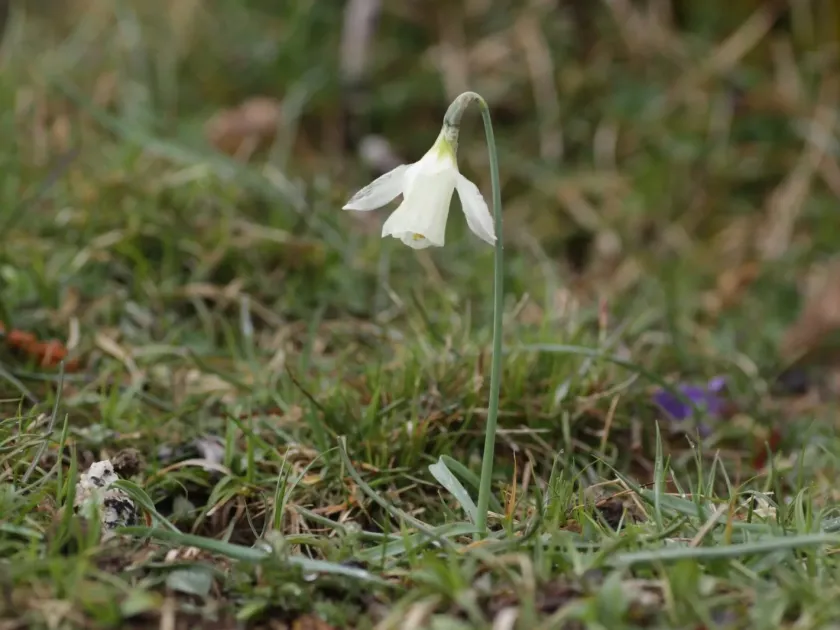
Description
Sowing dates
Planting typically takes place in autumn, allowing bulbs to establish root systems in cool soil before the onset of winter dormancy in freezing conditions.
Bulbs are planted at a depth of 10 to 15 centimeters. The exact depth varies depending on the bulb size, ensuring there is enough protection against frost.
Proper spacing is essential to reduce the spread of fungal diseases. Planting at 15-centimeter intervals provides sufficient airflow between the individual plants.
Once planted, ensuring the soil remains moist but not waterlogged is vital. If autumn is dry, supplemental irrigation can assist the rooting process.
After several years, the bulbs will naturally multiply, creating dense clumps. These should be lifted and divided to maintain vigor and prevent competition for resources.
Growing requirements
Musk narcissus (Narcissus moschatus) belongs to the Amaryllidaceae family. It is a perennial bulbous plant native to the Pyrenees, typically found in high-altitude mountain environments.
The crop requires well-drained, fertile soil with a neutral or slightly acidic reaction. High-quality drainage is the most critical factor for ensuring the longevity of the bulbs.
Environmental conditions should mimic the plant's natural habitat: cool springs, adequate moisture during the growing phase, and a dry dormant period during the summer.
Exposure to full sun is acceptable, but the plant thrives best in areas with partial shade, which prolongs the flowering period and keeps the foliage vibrant for longer.
Soil structure should be friable and rich in organic matter. Regular incorporation of compost helps maintain the necessary nutrient levels for consistent annual blooming.
Main diseases and pests
Basal rot, often caused by Fusarium species, is the most common disease threat, particularly in poorly drained soils or during very warm and humid seasons.
The narcissus bulb fly (Merodon equestris) is a significant pest. Its larvae tunnel into the bulb, often leading to the complete destruction of the plant.
Viral infections, characterized by leaf mottling or streaking, can weaken the plant over time. There is no cure, so early detection and removal are mandatory.
Preventative measures include treating bulbs with fungicides prior to planting and ensuring that the garden site has good ventilation and proper sun exposure.
Sanitation practices, such as removing debris and dead foliage at the end of the season, are effective in reducing the overwintering populations of pests.