
Narcissus medioluteus
Narcissus medioluteus
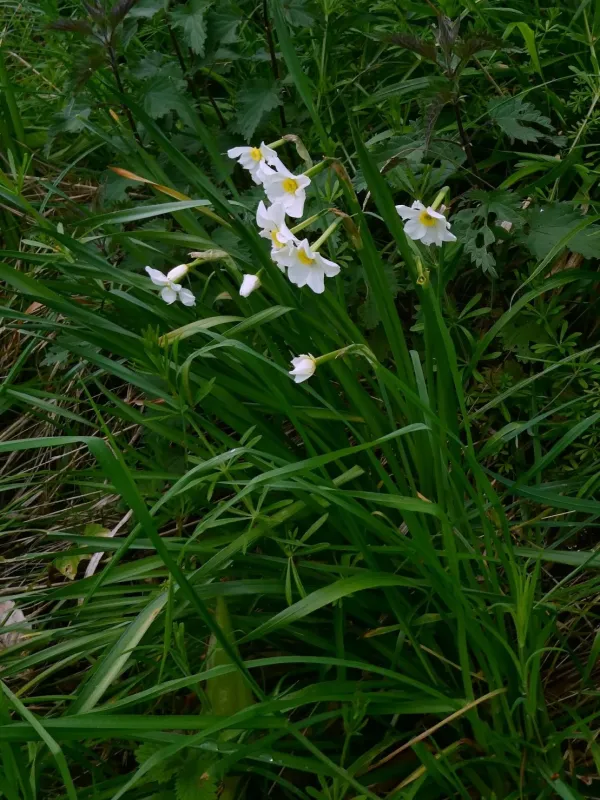
Description
Sowing dates
Planting of Narcissus medioluteus bulbs is best performed in late summer or early autumn when the soil retains sufficient warmth. The optimal period ranges from late August to mid-September, which allows the root system to establish itself thoroughly before the first significant frosts arrive.
Spring planting is generally discouraged as it often results in weak floral development during the first season. Professional growers prioritize autumn planting, ensuring it is completed at least three to four weeks before the soil freezes completely to guarantee overwintering success.
Bulbs should be planted at a depth equivalent to three times their diameter, providing adequate protection from temperature fluctuations and preventing premature sprouting. A spacing of 15-20 cm between bulbs is recommended to maintain optimal nutritional density per plant.
Selecting a location that allows for rotation every four to five years is essential, as this prevents soil fatigue and reduces the accumulation of soil-borne pathogens. Moving the crops to fresh ground ensures sustained plant vigor over the long term.
After planting, a light layer of mulch, such as peat or dry leaves, helps maintain stable soil temperatures during the dormant period. In early spring, this cover should be carefully removed to facilitate the emergence of healthy, robust sprouts.
Growing requirements
Narcissus medioluteus thrives in sunny locations protected from strong winds, although it can tolerate light afternoon shade. The soil must be fertile, well-draining, and slightly neutral, as this bulbous species is particularly sensitive to waterlogging and compaction.
Drainage is a critical factor for success; in heavy or clay-based soils, adding sand or gravel to the planting hole is mandatory to prevent root rot. Proper aeration ensures the oxygen exchange necessary for healthy development throughout the active growth phase.
Consistent moisture is required during the vegetative stage, particularly during bud formation and peak blooming. Water stress during these periods can lead to stunted floral development and decreased quality, which is detrimental for commercial flower production.
A balanced fertilization schedule includes three main applications: at the onset of leaf growth, during bud formation, and post-blooming. Using fertilizers with a focus on phosphorus and potassium supports bulb development and enhances resilience against environmental stress.
Weed control and soil aeration through regular hoeing are fundamental cultural practices. Keeping the area free of weeds reduces competition for nutrients and ensures the plants have the space and resources required to reach their full potential.
Main diseases and pests
The Narcissus fly is one of the most severe pests, as its larvae bore into the bulb, destroying the plant from within. Proactive measures, including bulb treatment with insecticides before planting and adherence to strict crop rotation, are essential for control.
Fusarium rot represents a significant fungal threat, often triggered by excessive soil moisture and warmth. Prevention relies on selecting healthy planting material and ensuring excellent drainage to minimize the conditions that favor fungal growth.
Sclerotinia infection can manifest as gray spots or decaying tissues on both leaves and bulbs. Immediate removal and destruction of affected specimens are necessary to prevent the rapid spread of the disease across the planting site.
Nematodes can cause significant distortion of the stems and leaves, ultimately reducing the marketability of the flowers. If infestations are detected, disinfecting tools and quarantine measures for the affected plot are strictly advised.
Implementing an integrated pest management strategy, which combines chemical treatments with biological controls, significantly reduces the impact of these threats. Regular monitoring of the foliage and bulbs remains the most effective way to address issues early.
Harvesting
The harvest of bulbs occurs after the foliage has fully yellowed and dried, typically in mid-summer. This timing indicates that the bulbs have successfully completed their nutrient storage cycle and have entered their natural dormant state.
Using garden forks for digging is recommended to prevent mechanical damage to the bulbs. Once lifted, the clumps are cleaned of soil, sorted by size, and dried in a shaded, well-ventilated area to ensure long-term storage quality.
Storage conditions should be dry, cool, and dark, with temperatures maintained between 15-18 degrees Celsius. Proper air circulation during storage prevents fungal development and keeps the bulbs in an optimal state until the next planting cycle.
When grown for cut flowers, harvesting should take place at the "goose-neck" stage, when the bud is fully colored but not yet open. This ensures maximum shelf life and transportability for the floral market.
It is vital not to cut back the foliage too soon, as the plant continues to gather energy for the following year until the leaves turn brown. Premature trimming leads to weak bulbs and sparse flowering in subsequent seasons.