
Narcissus lusitanicus
Narcissus lusitanicus
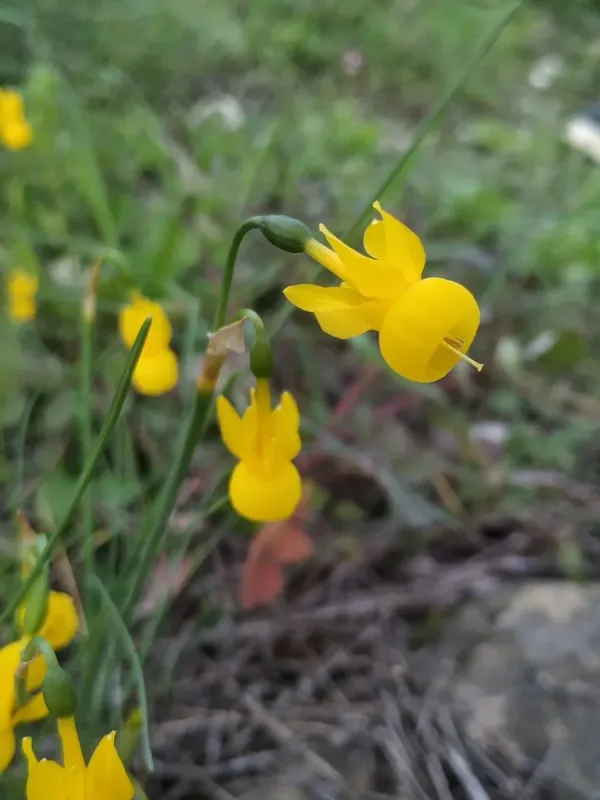
Description
Growing requirements
Narcissus lusitanicus is a bulbous flowering plant belonging to the Amaryllidaceae family. It is native to the Iberian Peninsula, specifically adapted to the Mediterranean climate conditions of Portugal and Spain, where it thrives in rocky and well-drained soils.
Cultivation of this species requires a location with high sun exposure to ensure proper energy accumulation for the bulb. The soil should be light, sandy, or loamy, providing excellent drainage to prevent bulb rot during the dormant summer period, which is essential for plant longevity.
Temperature management is critical; the plant prefers mild, wet winters and warm, dry summers. In agricultural settings, it is important to mimic these natural cycles to maintain the vitality of the bulbs, as extreme humidity combined with cold temperatures can be fatal to the root system.
Regarding soil fertility, Narcissus lusitanicus performs best in moderately poor soils. Over-fertilization, especially with high-nitrogen compounds, should be avoided as it stimulates excessive foliage growth and reduces the plant's resistance to environmental stress and opportunistic pathogens.
In terms of agricultural use, this species is highly valued for niche ornamental gardening and rock gardens. Its unique resilience and aesthetic appeal make it a desirable subject for preservation and specialized breeding programs focused on maintaining the genetic diversity of the genus.
Main diseases and pests
Basal rot, caused by various soil-borne fungi, is the primary threat to the health of the bulbs. This condition is most prevalent in environments with insufficient drainage, leading to the rapid decay of the basal plate and subsequent death of the entire plant structure.
The narcissus fly (Merodon equestris) presents a significant danger to the crop. Its larvae feed on the internal tissues of the bulb, creating tunnels that destroy the core and provide entry points for secondary bacterial or fungal infections.
Nematode infestations often cause structural deformities such as stunted leaves, yellowing, and twisted stems. These microscopic pests are particularly difficult to eradicate once they become established in the soil, making prevention through strict site management essential.
Viruses, particularly those causing mosaic patterns, are often spread by vectors like aphids. Once infected, plants cannot be cured and remain a source of inoculum for the rest of the crop, necessitating the immediate removal and destruction of the symptomatic individuals.
Integrated pest management strategies are recommended, focusing on the use of clean planting stock and periodic crop monitoring. Keeping the growing area free of debris and ensuring optimal spacing can significantly reduce the pressure from both diseases and common pests.