
Narcissus longispathus
Narcissus longispathus
Description
Growing requirements
Narcissus longispathus is a distinct species belonging to the Amaryllidaceae family, native to the mountainous limestone regions of Andalusia, Spain. This plant is well-adapted to Mediterranean climates where it thrives in damp, rocky soils near stream banks. It is known for its elegant appearance and early spring flowering cycle.
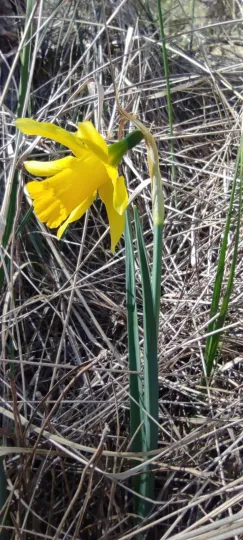
The plant features slender leaves and solitary flowers characterized by an exceptionally long corona, which distinguishes it from many common narcissus hybrids. The botanical structure is designed to thrive in seasonal ecosystems where moisture is abundant in early spring and scarce during the summer months. It typically reaches 30-45 cm in height.
Cultivation requires a well-draining, calcareous soil mix that prevents water stagnation, as the bulbs are prone to rotting in damp conditions during dormancy. A layer of coarse grit or gravel at the bottom of the planting hole is recommended to facilitate drainage. The plants prefer a location with bright, dappled sunlight during their active growth phase.
Climatic requirements necessitate a clear distinction between the growing and resting seasons. In cultivation, it is crucial to keep the soil relatively dry after the foliage begins to wither in late spring. While it can withstand some cold, severe frosts may require winter protection for plants grown in pots or open gardens in temperate zones.
The primary use of Narcissus longispathus is in specialty rock gardens, alpine collections, and as a botanical novelty for horticulture enthusiasts. It serves as an excellent candidate for collectors interested in preserving genetic diversity. Its aesthetic value is highly appreciated in specialized gardening circles for its natural grace and unique floral morphology.
Main diseases and pests
Common pathological threats include basal rot and Penicillium mold, which often arise from excessive moisture and poor soil aeration. Preventing these conditions involves careful selection of planting sites and avoiding heavy mulching that retains too much water. Good site sanitation is essential for long-term bulb health.
Pests such as the narcissus bulb fly are a major concern, as their larvae can hollow out the bulb and cause plant collapse. Integrated pest management, including regular inspection during the late spring, helps in managing these populations. Chemical treatments with systemic insecticides may be necessary in areas with high pest pressure to protect the bulbs.