
Narcissus hybrids
Narcissus hybrids
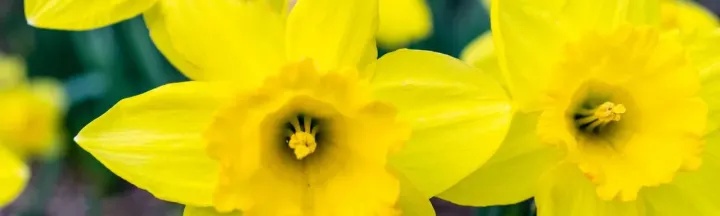
Description
Sowing dates
Planting of Narcissus hybrids is best performed from late August to mid-September. The goal is to allow the bulbs to establish a strong root system before the ground freezes, requiring a soil temperature of approximately 8–10 degrees Celsius for optimal root development.
The planting depth should generally be two to three times the height of the bulb, typically ranging between 10–15 cm. In light, sandy soils, deeper planting is recommended to prevent frost damage, while in heavy clay soils, shallower planting is preferable to ensure proper aeration.
For landscape purposes, bulbs are planted in clusters of 5–10 to create a naturalized look. In commercial flower production, a row system is used, with spacing of 10–15 cm between bulbs and 20–25 cm between rows, ensuring sufficient light and air circulation for each individual plant.
Proper drainage is essential during planting; incorporating coarse sand or small gravel at the base of the planting hole can significantly reduce the risk of basal rot. This is especially critical in regions with high rainfall during the dormant season.
When forcing bulbs for greenhouse production, they are potted in autumn and kept in a cool, dark environment (around 5–9 degrees Celsius) for several weeks. This chilling period is mandatory to break dormancy and ensure the formation of high-quality floral stems before they are moved into warmer conditions.
Growing requirements
Narcissus hybrids, belonging to the Amaryllidaceae family, thrive in sunny locations with well-drained, fertile soil. While they are tolerant of partial shade, full sun exposure is necessary for maximizing the bulb's energy reserves for the following season.
The soil should have a neutral to slightly acidic pH level and a crumbly, loose texture. High organic matter content is beneficial, though heavy manuring should be avoided as it can promote fungal growth and negatively impact the health of the bulbs.
Moisture management is key; plants require consistent irrigation during the active growth and flowering phase. Once the foliage begins to yellow after flowering, irrigation should be gradually reduced to allow the bulb to enter its natural dormancy phase.
Balanced fertilization is vital for hybrid narcissus. A phosphorus-potassium-rich fertilizer applied during the bud formation stage promotes larger, more vibrant blooms and improves the structural integrity of the replacement bulb.
The plants are generally hardy, but in areas with harsh, snowless winters, applying a layer of mulch such as straw or peat is advised. This protects the soil from extreme temperature fluctuations and keeps the dormant bulbs insulated against frost damage.
Yield
The yield of Narcissus hybrids is measured both by flower stem count and the production of healthy bulbs for propagation. Intensive cultivation methods can produce over 100–150 marketable stems per square meter under optimal conditions.
The reproduction rate depends on the specific hybrid cultivar, with most vigorous varieties producing 2–3 offsets per season. Regular division of these offsets is necessary every 3–5 years to maintain plant vigor and prevent the crowding of bulbs, which can lead to smaller flowers.
High-quality harvest results rely on grading the bulbs by size after lifting. Bulbs with a diameter of 4 cm or more are considered premium stock, suitable for professional floral production, while smaller bulbs are typically replanted in nursery beds for 1–2 years.
Storage management plays a crucial role in yield retention. Proper ventilation and temperature control at 17–20 degrees Celsius during the storage of lifted bulbs prevent decay and ensure high sprout rates when they are replanted the following season.
The commercial value is further influenced by vase life. High-quality hybrid stems, if cut at the correct maturity stage, can maintain their ornamental value for 10–14 days in water, making them a preferred choice for the cut flower industry.
Main diseases and pests
The most common pathological threats to narcissus include Fusarium basal rot and grey mold. These pathogens thrive in damp soil conditions and can devastate bulb stocks if prophylactic fungicide treatments are not implemented prior to planting.
Viral diseases, such as the Narcissus yellow stripe virus, pose a significant risk as they are systemic and irreversible. Strict hygiene practices, including the removal of infected plants and control of insect vectors like aphids, are the only effective management strategies.
The narcissus bulb fly is a major insect pest; its larvae bore into the bulb, consuming the internal tissues and rendering the plant non-viable. Monitoring and appropriate insecticide applications during the fly's peak activity period in late spring are essential.
Nematodes are another hidden threat that can cause stunted growth and deformed leaves. Soil rotation and pre-planting soil treatment are standard protocols to prevent nematode infestation in nursery beds.
Integrated pest management includes:
- thorough inspection of bulbs before planting;
- avoiding overcrowded planting schemes;
- regular removal of weeds that act as virus reservoirs;
- proper sanitation of tools between rows to prevent cross-contamination.
Harvesting
Flowers for the cut flower market should be harvested at the "goose-neck" stage, where the bud is fully colored but not yet open. This stage ensures the best endurance during transport and the longest vase life for the end consumer.
When cutting the flowers, it is important to leave as much foliage as possible on the plant if the bulbs are to remain in the ground. The leaves are essential for photosynthesis, which provides the energy for the next year’s bulb development.
Bulbs are harvested after the foliage has naturally withered and turned yellow, which usually indicates that the bulb has completed its storage of nutrients. Harvesting too early can result in smaller bulbs and poor flowering performance.
Lifting the bulbs requires a gentle hand; utilizing garden forks instead of shovels reduces mechanical injury to the outer scales. Once lifted, the bulbs should be cleaned and spread in a shaded, ventilated area to cure before storage.
Curing is a critical step to dry the outer skins and heal any minor wounds, which helps prevent rot during long-term storage. Only firm, healthy, and clean bulbs should be selected for winter storage, ensuring that the next season's stock is disease-free.