
Narcissus elegans
Narcissus elegans
Description
Growing requirements
Narcissus elegans is a unique bulbous perennial belonging to the Amaryllidaceae family, distinguished by its natural autumn-flowering cycle. Unlike typical spring-blooming varieties, this species thrives during the cooler months of the Mediterranean season.
Originating from the coastal regions of the Mediterranean Basin, including areas in Italy, Spain, and North Africa, it is perfectly adapted to rocky, well-draining soils. It is typically found in open, sunny habitats where competition from taller vegetation is limited.
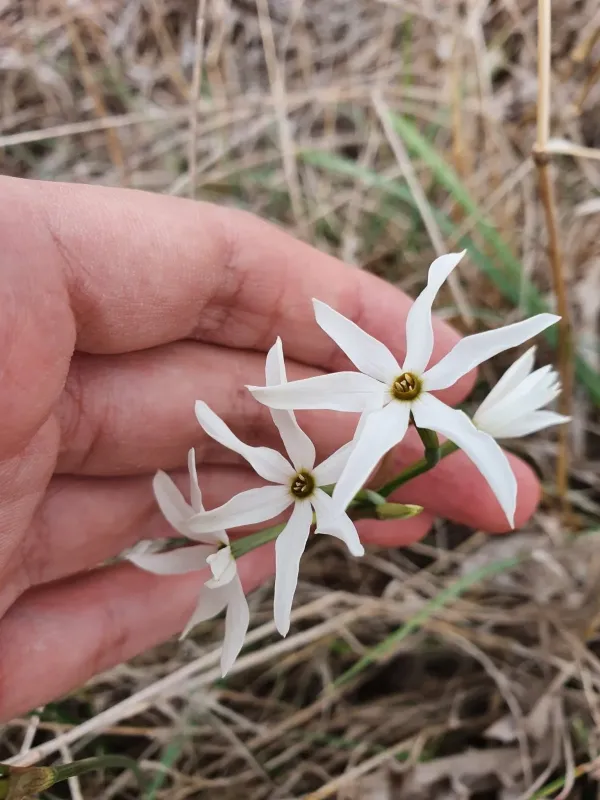
Botanically, it features narrow, linear leaves and slender scapes producing fragrant flowers. The corona is compact, and the tepals are generally white or pale, showcasing the delicate elegance for which the species is named.
Cultivation requires conditions that mimic its native habitat: full sun exposure and gritty, free-draining soil. Providing a dry summer rest period is essential, as the bulbs remain dormant during the heat of the year and are highly susceptible to rot.
This species is primarily utilized in specialized horticultural settings, such as rock gardens or containers where the moisture levels can be meticulously regulated. It is a prized specimen for collectors interested in rare, seasonal bulbous plants.
Main diseases and pests
The most significant threat to Narcissus elegans is basal rot or Fusarium infection, usually caused by poor drainage and waterlogged soil. Proper soil structure is the first line of defense against these fungal pathogens.
Pests such as the narcissus bulb fly can devastate a collection by laying eggs near the bulb, with larvae subsequently feeding on the plant tissue. Monitoring for adult activity is a crucial part of pest management.
Root mites often attack bulbs that are already weakened by unfavorable conditions, leading to poor growth or plant death. Disinfecting bulbs with appropriate fungicides before planting is standard practice.
Viral infections, often manifesting as color-breaking patterns on flowers, can spread quickly via aphid vectors. Removing infected individuals immediately is necessary to prevent the decline of the entire patch.
Slugs and snails can cause significant damage to young shoots during the growing season. Using organic barriers or bait traps is effective in protecting the emerging foliage from these nocturnal grazers.