
Narcissus cuneiflorus
Narcissus cuneiflorus
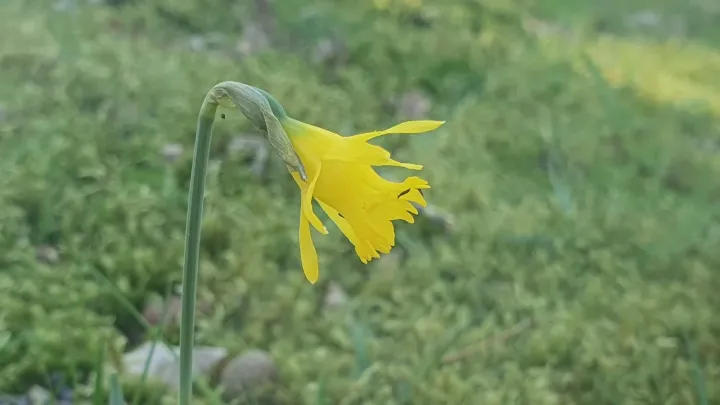
Description
Growing requirements
Narcissus cuneiflorus is a distinct species within the Amaryllidaceae family. Originating from the mountainous regions of the Iberian Peninsula, it has evolved to thrive in rocky, high-altitude environments where drainage is exceptional and nutrient competition is low.
The cultural requirements for this plant emphasize excellent soil aeration. It prefers gritty, well-drained substrates that mimic its native rocky habitat. Preventing water stagnation is paramount, as the bulbs are highly susceptible to basal rot in overly moist conditions.
Light exposure is a critical factor for the vigor of Narcissus cuneiflorus. It requires full to partial sunlight to ensure that the foliage undergoes proper photosynthesis, which in turn fuels the development of the bulb for the subsequent flowering cycle.
Regarding climate, this species prefers cool springs and moderate summers. While it is quite hardy, it appreciates a consistent winter dormant period. Providing a layer of organic mulch can help regulate soil temperature during extreme frost fluctuations.
Its primary use is ornamental, specifically in rock gardens or alpine collections. Due to its dwarf size and early bloom time, it is highly valued by enthusiasts who appreciate the natural form and delicate aesthetics of wild bulb species.
Main diseases and pests
Fusarium oxysporum is a primary pathogen affecting Narcissus cuneiflorus, often leading to total bulb failure. Management requires careful inspection of bulbs prior to planting and the application of systemic fungicides to prevent fungal proliferation.
The Narcissus fly, Merodon equestris, poses a severe threat to the bulbs. The larvae feed internally, hollowing out the bulb and causing the plant to fail to emerge. Control measures involve timely soil treatments and the removal of compromised specimens.
Nematodes are another major pest that can stunt plant growth and reduce overall vigor. Affected areas of the soil should be managed with nematicides or, preferably, through crop rotation and extended fallowing periods to break the pest's life cycle.
Viruses, often transmitted by aphids, can cause mottling and deformation of the leaves. Maintaining a strict sanitation regime for garden tools and controlling insect vectors are essential strategies to maintain the health of the collection.
Adequate plant spacing is recommended to improve airflow around the foliage, which reduces the incidence of foliar diseases like leaf scorch and botrytis. Proper sanitation and monitoring remain the cornerstones of successful cultivation.