
Narcissus cavanillesii
Narcissus cavanillesii
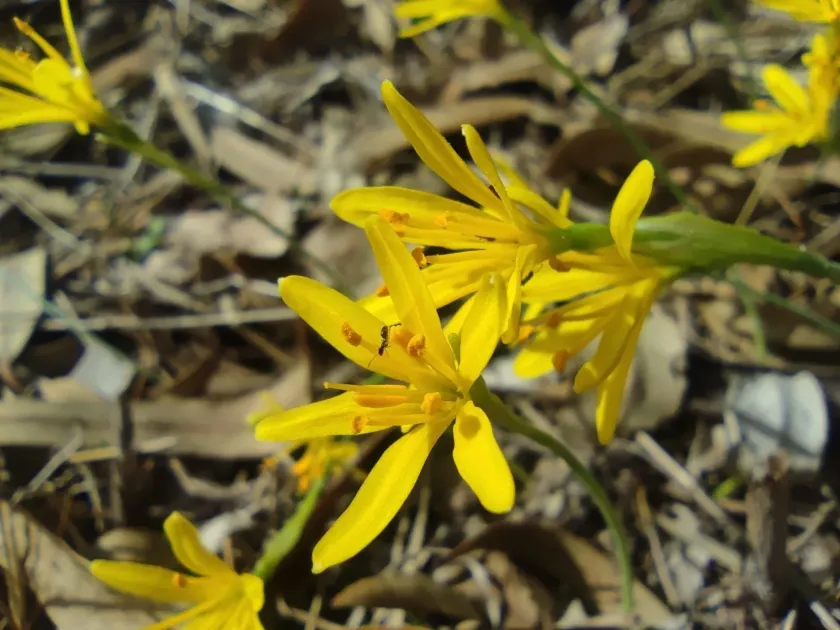
Description
Growing requirements
Narcissus cavanillesii is a fascinating species of bulbous plant belonging to the Amaryllidaceae family. It is distinct from common garden narcissi, being a small, specialized species that has adapted to harsh Mediterranean environmental conditions.
The plant originates from the southwestern part of the Iberian Peninsula and northern Africa. It is typically found in rocky, calcareous habitats where it survives long periods of intense summer heat and drought by entering a deep state of dormancy.
To cultivate this species successfully, growers must prioritize excellent soil drainage. The bulbs are highly susceptible to rot if moisture persists during the summer months, so a porous substrate like sandy loam or a rocky mix is essential.
Regarding climate, this plant thrives in areas with mild, wet winters and hot, dry summers. It requires full sun exposure during its active growing season to ensure the bulb develops sufficient energy for the next cycle of flowering.
The primary use of this plant is in rock gardens, specialized bulb collections, or pots where moisture control is precise. It is appreciated by enthusiasts for its unique late-season bloom, which often appears before the foliage fully develops.
Main diseases and pests
The most significant threat to Narcissus cavanillesii is fungal infection, specifically basal rot, which occurs when the soil remains too damp during the summer dormancy period. Proper moisture management is the most effective preventative measure for these bulbs.
Pests such as the narcissus bulb fly and various types of soil mites can cause severe damage. Infestations weaken the plant structure, often leading to secondary bacterial infections, which necessitates the use of healthy, disease-free planting material.