
Rush-leaved daffodil
Narcissus assoanus
Description
Growing requirements
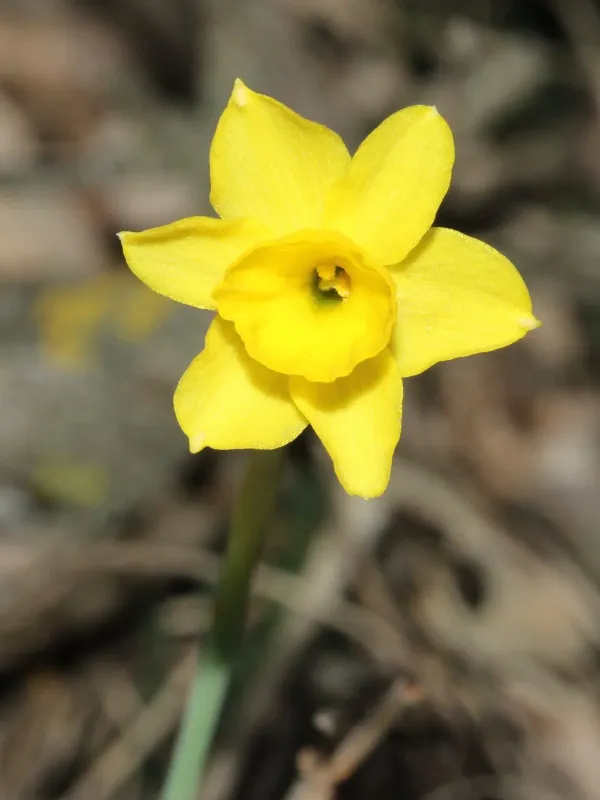
Narcissus assoanus, commonly known as the rush-leaved daffodil, is a small, bulbous perennial belonging to the Amaryllidaceae family, native to limestone regions of southern France and Spain.
The plant thrives in well-drained, gritty, or sandy soils, mimicking the conditions of its native rocky habitat where drainage is exceptional and water stagnation is non-existent.
Optimal growth is achieved in full sun exposure, as the plant is adapted to the high light intensity found on mountain slopes, which is essential for healthy flowering.
Climate requirements involve a temperate spring for active vegetative growth, followed by a warm, dry summer period, which allows the bulbs to enter dormancy and mature correctly.
In landscaping, this species is highly valued for rock gardens or alpine troughs, where the microclimate can be strictly managed to prevent excess humidity during the dormant season.
Main diseases and pests
Root and bulb rot caused by various fungi, particularly in poorly aerated or waterlogged soils, represents the most significant threat to the survival of Narcissus assoanus.
The large narcissus fly is a primary pest, as its larvae feed on the internal tissues of the bulb, often resulting in the complete collapse of the plant during the growing season.
Root mites can infest stressed bulbs, leading to stunted growth and reduced vigor, which makes preventative treatment of bulbs with appropriate acaricides essential.
Slugs and snails pose a risk to early spring shoots, potentially consuming the entire foliage before the flower reaches full development if not properly managed.
Maintaining a clean growing environment, practicing crop rotation, and inspecting bulbs regularly for signs of decay are the primary methods for managing these threats.