
Naematoloma
Naematoloma
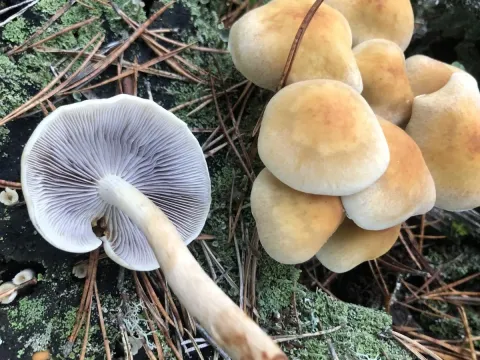
The genus Naematoloma, taxonomically associated with the Strophariaceae family, consists of wood-decaying saprotrophs. They play a significant role in forest ecosystems by decomposing dead organic matter.
What the section contains

Naematoloma
Cultivation requires strict environmental control. Relative humidity must be maintained between 85% and 92%, while temperatures should fluctuate between +20°C for mycelial growth and +15°C for fruiting.
The preferred substrates include hardwood sawdust, wood chips, and agricultural residues such as wheat straw. Supplementation with organic nitrogen sources is often required for optimal yields.
Proper aeration is essential to prevent the accumulation of CO2. High levels of carbon dioxide in the growing chamber can lead to abnormal development, characterized by long stalks and small caps.
Hygiene standards in the cultivation facility are paramount. Substrates must be pasteurized or sterilized to eliminate competitor fungi and bacteria before inoculating with high-quality spawn.
Fungus gnats (Sciaridae) are the most destructive pests in indoor cultivation, capable of spreading pathogens throughout the mycelial network.
Green mold caused by Trichoderma species is a major disease that thrives in the same conditions as Naematoloma, often outcompeting the desired culture.
Bacterial blotch, caused by Pseudomonas, can affect the cap surface, making the mushrooms unmarketable due to discoloration and slime formation.
Mite infestations often occur if the growing environment is not properly isolated from the outside or if hygiene protocols are breached.
Effective management involves consistent sanitation, regular monitoring of the substrate, and immediate removal of contaminated blocks to prevent the spread of spores.
Harvesting should be timed when the veil under the cap is stretched but not yet ruptured, ensuring the highest biological quality and shelf life.
Mushrooms are harvested in clusters by carefully twisting the base of the stems, ensuring that the integrity of the substrate block remains intact for subsequent flushes.
Total yield is directly proportional to the moisture content and nutritional balance of the substrate, typically resulting in multiple flushes over several weeks.
After each flush, cleaning the substrate surface of any stump remnants is necessary to encourage vigorous regrowth and prevent bacterial decay.
Post-harvest handling involves rapid chilling to +2°C to slow down metabolism and maintain the fresh, firm texture required for quality standards.