
Jaboticaba
Myrciaria jaboticaba (Vell.) O. Berg
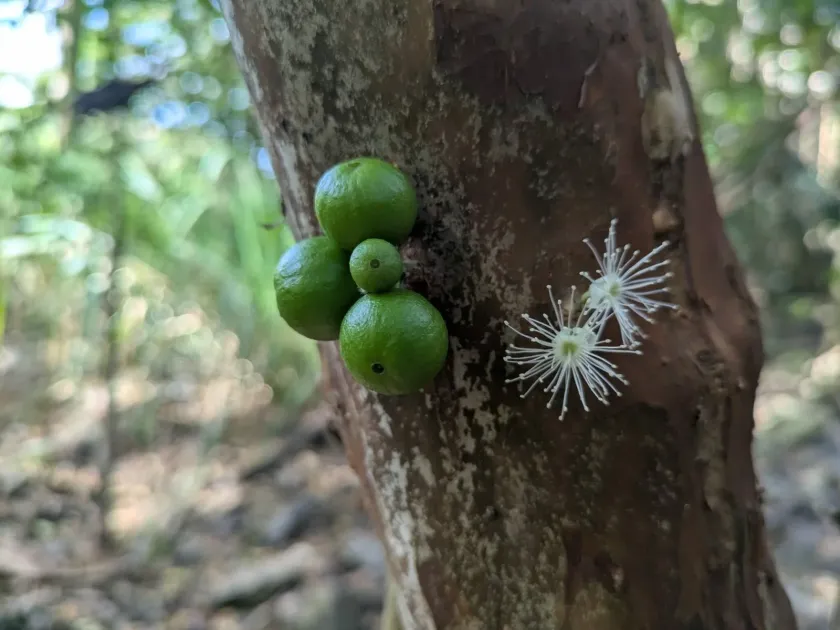
Description
Sowing dates
Propagation of the jaboticaba (Myrciaria jaboticaba) is primarily performed through seeds, as it is the most standard method of growing this unique culture.
Seeds must be planted immediately after being extracted from the fruit, as their viability decreases rapidly when exposed to air and light.
For better control over plant traits, vegetative propagation techniques such as air layering or grafting can be used to ensure an earlier onset of fruit production.
Seedlings develop very slowly during their initial years, requiring a dedicated nursery environment with consistent moisture and protected soil conditions.
When starting from seeds, it is crucial to use a well-draining, nutrient-rich medium to support the fragile root system as the plant establishes itself.
Growing requirements
As a member of the Myrtaceae family, the jaboticaba tree thrives in humid tropical and subtropical environments with stable, warm temperatures.
It prefers deep, fertile, slightly acidic soil that retains moisture but allows for adequate drainage to prevent root decay or fungal issues.
The tree requires significant sunlight to reach its full productive potential, although young plants may benefit from partial shade to prevent leaf scorching.
Temperature management is vital, as the species is intolerant of freezing conditions and struggles significantly in arid or cold climates.
Regular irrigation is essential for success, as the tree's natural habitat is typically found in rainforest areas with consistent seasonal rainfall.
Yield
The defining feature of the jaboticaba is its cauliflorous habit, where flowers and subsequent fruit emerge directly from the woody trunk and branches.
The fruit is a spherical, dark purple berry with a sweet, translucent pulp that is highly prized for its resemblance to the flavor of muscat grapes.
Yield capacity is high, and in ideal tropical conditions, the tree may flower and fruit multiple times per year, providing a steady supply of produce.
Growth is notably slow, and a tree grown from seed may take up to a decade or more before producing its first significant harvest.
Due to the extremely short shelf life of the fruit, most harvest is processed quickly into juice, wine, or jams to maintain quality and flavor profile.
Main diseases and pests
The most common issues for this crop include fungal leaf spots and root rots, which often develop if soil is waterlogged or air circulation is poor.
Insect pests, specifically scale insects and mealybugs, can infest the woody parts of the tree and foliage, requiring careful monitoring and management.
Nutrient imbalances, particularly related to pH levels, often lead to iron chlorosis, which can be corrected through specific soil acidification efforts.
Wildlife, especially birds, pose a significant threat to the harvest as the exposed fruits on the trunk are highly attractive and easy to access.
Effective management includes regular canopy thinning to improve airflow and the use of protective netting to secure the crop from local fauna.
Harvesting
Harvesting is a manual process, as the fruit must be carefully picked by hand once it turns a deep, dark purple and is slightly soft to the touch.
Care must be taken during the harvest to ensure the tree bark remains undamaged, as this is where future flower buds will develop.
Because the fruit ripens unevenly across the tree, multiple harvesting passes are often necessary to collect all produce at the peak of ripeness.
Immediate post-harvest processing is critical because the berries begin to ferment within a few days of being removed from the tree.
After picking, fruits should be kept in a cool, well-ventilated area to slow down their natural respiration and decay process before reaching the market.