
Monstera obliqua
Monstera obliqua Miq.
Description
Growing requirements
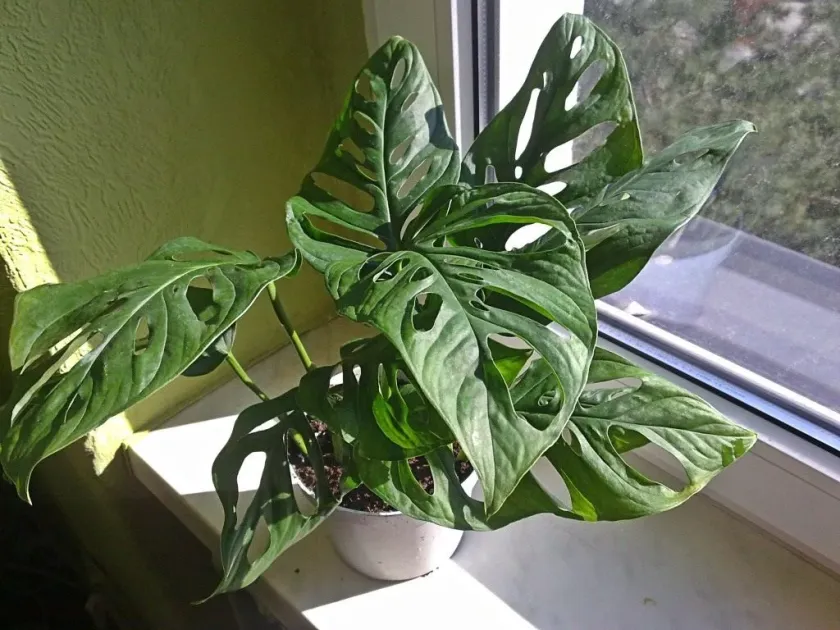
Monstera obliqua is a distinct species within the Araceae family, native to the tropical rainforests of Central and South America. It is highly valued for its delicate, fenestrated foliage, which is significantly more porous than that of the more common Monstera adansonii.
In terms of climate, this plant thrives in stable tropical conditions with temperatures ranging between 21 °C and 27 °C. It is intolerant of cold drafts and temperatures that drop significantly, which can cause physiological stress and stunted growth.
The substrate requirements are specific to an epiphytic habit. A high-quality growing medium must be loose, airy, and well-draining. Cultivators typically use a mix containing sphagnum moss, orchid bark, perlite, and coconut coir to simulate the natural forest floor environment.
Light requirements are strict: the plant needs bright, indirect light to maintain its characteristic leaf shape and vigor. Direct exposure to unfiltered sunlight will rapidly dehydrate the leaves and lead to irreversible solar injury on the thin tissues.
High relative humidity is essential for the healthy development of Monstera obliqua. Maintaining levels between 70% and 80% is ideal, which often necessitates the use of glass cabinets or controlled greenhouse environments to achieve optimal results.
Main diseases and pests
Pest management is a critical component of Monstera obliqua cultivation. Spider mites are the most persistent threat, especially in environments where humidity levels are allowed to fluctuate or drop below recommended thresholds.
Mealybugs can be found hiding in the tight crevices of the petioles and near the stem nodes. Regular inspection and the use of insecticidal soaps or horticultural oils are recommended to keep populations in check without damaging the foliage.
Root rot is the most common pathology, typically caused by a combination of high moisture content and inadequate soil aeration. Once the root system is compromised, the plant shows rapid yellowing and wilting of the older leaves.
Bacterial leaf spot can occur when water is allowed to pool on the foliage for extended periods, especially in low-light conditions. Ensuring good air circulation around the plants is the most effective preventative measure against such infections.
Scale insects may also present a problem in closed greenhouse systems. Monitoring the undersides of the leaves and the main stems allows for early mechanical removal, which is often sufficient to prevent a major outbreak requiring chemical intervention.