
Microchloa kunthii
Microchloa kunthii
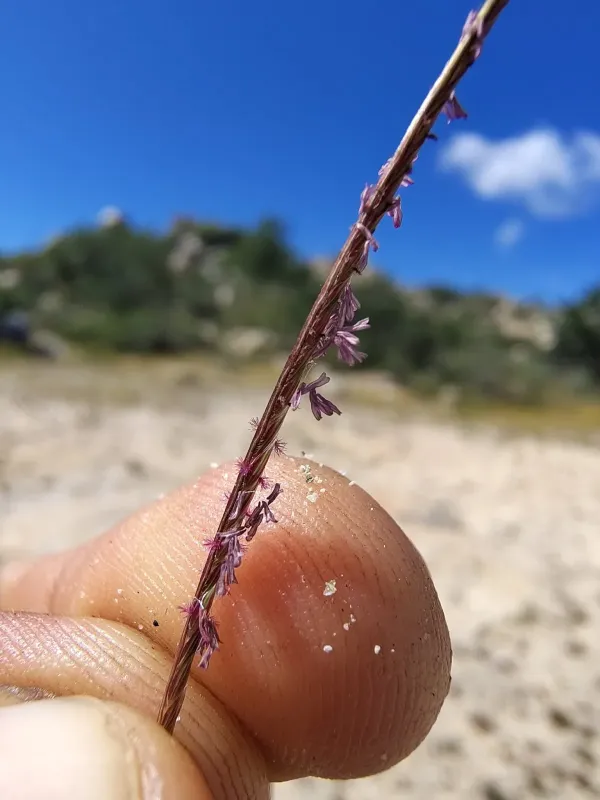
Description
Sowing dates
Microchloa kunthii is a perennial grass species belonging to the Poaceae family, widely recognized for its tough, tufted growth habit. It serves as an essential component in maintaining soil integrity in arid and semi-arid environments.
Successful establishment of this species requires careful consideration of timing, ideally coinciding with the onset of the rainy season. The seeds, which are small, should be sown at a shallow depth to ensure successful germination and emergence.
In field conditions, broadcasting seed followed by light soil compaction often yields the best results. The plant exhibits high natural recruitment potential, allowing it to colonize disturbed areas effectively over time.
For agricultural purposes, ensuring a clean seedbed free of aggressive weeds is crucial during the first stages of growth. Once the grass is established, it requires minimal intervention to maintain a healthy stand.
Density of planting should be determined based on the intended use, such as erosion control or pasture recovery, keeping in mind that the species naturally expands through tillering.
Growing requirements
This species thrives in well-drained soils, showing remarkable adaptation to sandy, gravelly, and rocky substrates. It is known to persist in soils with low nutrient content where more sensitive grasses fail to survive.
Microchloa kunthii is a highly drought-tolerant xerophyte. It is physiologically adapted to withstand prolonged periods of moisture deficit without significant loss of viability in its root system.
The plant is strictly sun-loving and performs best in open areas with high solar exposure. It should not be planted in shaded environments, as this drastically reduces biomass production and vigor.
Regarding climatic conditions, it prefers warm, stable temperatures. It lacks frost tolerance and is primarily suited for tropical and subtropical climates where soil temperatures remain conducive to growth year-round.
The overall management requirement for this crop is low, making it an excellent candidate for large-scale rangeland improvement projects where active maintenance is not economically feasible.
Main diseases and pests
One of the primary benefits of this species is its inherent resistance to common grain pests and diseases. Its structural properties, including tough leaf blades, provide a natural physical defense.
Root rot and fungal issues are rare and typically occur only under conditions of prolonged waterlogging or poor drainage. Proper site selection is the best preventative measure against these threats.
The main threat to new stands is competition from faster-growing weeds. Weed control during the first two to three months after germination is critical to ensure the grass gains a competitive advantage.
While insect pests such as stem borers might occasionally affect the foliage, they rarely reach threshold levels that would necessitate chemical control in natural or pasture settings.
The most significant threat to a stable population is overgrazing before the plant has sufficiently developed its root crown. Managed grazing rotations are essential to preserve the long-term productivity of the stand.