
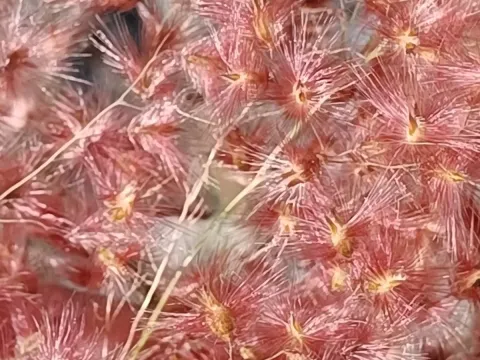
Melinis
Melinis P. Beauv.
Melinis is a genus of grasses in the family Poaceae, widely recognized for its forage potential and soil-binding properties. These plants are typically warm-season perennials, thriving in tropical and subtropical climates.
What the section contains


Melinis
The sowing process begins when soil temperatures consistently stay above 15°C, ensuring rapid germination. In many regions, this timing aligns with the start of the rainy season to support initial establishment.
Given the small size of the seeds, they should be sown shallowly, often using minimal tillage methods. Surface broadcasting followed by light rolling is highly effective for maintaining optimal contact between seeds and the soil.
Proper seedbed preparation is essential to reduce competition from weeds in the early stages of growth. Melinis is known for its quick establishment, which helps it dominate the site once it takes root.
In extensive grazing systems, aerial seeding or direct seeding into existing pasture can be utilized to improve overall biomass production, provided there is enough space for the grass to establish.
Melinis is highly adaptable to various soil types but performs best in well-drained sandy or loamy soils. It demonstrates remarkable tolerance to low-fertility soils, making it useful for marginal land.
Being a C4 grass, it requires high levels of solar radiation to reach its full potential. It is strictly sun-loving and does not thrive in shaded environments or underneath dense tree canopies.
It is exceptionally drought-tolerant once established, utilizing its efficient photosynthetic pathway to manage water usage. However, it requires a frost-free environment to sustain long-term growth.
The ideal pH range for Melinis cultivation is slightly acidic to neutral. While it prefers dry conditions, it can tolerate temporary waterlogging, provided the soil drainage remains functional.
Regular maintenance of the pasture involves monitoring for nutrient depletion. While it is hardy, periodic fertilization with nitrogen can significantly enhance the quantity of harvestable biomass.
The primary use of Melinis is as a high-quality forage source for livestock, including cattle and sheep. It offers good palatability when harvested or grazed at the appropriate physiological stage.
Yields are highly dependent on management practices. Intensive rotational grazing can maximize biomass productivity and prevent the grass from becoming stemmy and losing its nutritional value.
Biomass quality peaks during the vegetative growth phase. As the grass transitions into the reproductive phase, fiber content increases, and protein content decreases, emphasizing the need for timely management.
In terms of ecological benefits, Melinis is an excellent tool for erosion control. Its fibrous root system stabilizes slopes and prevents soil loss in vulnerable agricultural areas.
- High regrowing potential.
- Excellent adaptability to harsh soils.
- Effective erosion prevention.
Grasshoppers and other orthopteran insects are the most common pests of Melinis. Large infestations can significantly reduce the foliage available for grazing, necessitating integrated pest management.
Rust diseases are occasionally observed in areas with high humidity or poor air circulation. Improving airflow through appropriate grazing pressure can reduce the prevalence of fungal pathogens.
Nematodes can pose a threat to roots in sandy soils, potentially stunting growth. Crop rotation or the use of resistant strains can help mitigate the risks associated with soil-borne parasites.
Overgrazing is a major threat to the long-term viability of a Melinis pasture. Continuous heavy grazing can thin the stand, allowing opportunistic weeds to displace the primary crop.
In regions where it is not native, it may spread rapidly, leading to it being categorized as an invasive species in certain ecosystems, which requires careful containment measures.
Harvesting for hay should ideally occur at the early booting or pre-flowering stage. This ensures a balanced nutritional profile, capturing the highest protein levels before they decline.
After cutting, the biomass should be dried promptly. Due to its thin stems, drying is typically faster than for coarser forage grasses, reducing the risk of nutrient loss from weather exposure.
Maintaining a stubble height of at least 5-7 centimeters is crucial for protecting the basal buds. This practice encourages faster recovery and ensures the longevity of the perennial stand.
For seed production, harvesting must be timed precisely to coincide with the maturing of the inflorescences but before they shatter and drop seeds onto the field.
Modern machinery, such as sickle bar mowers or disk mowers, is used to harvest Melinis. Proper post-harvest handling ensures that the hay remains palatable and free of mold during storage.