
Melinis minutiflora
Melinis minutiflora P. Beauv.
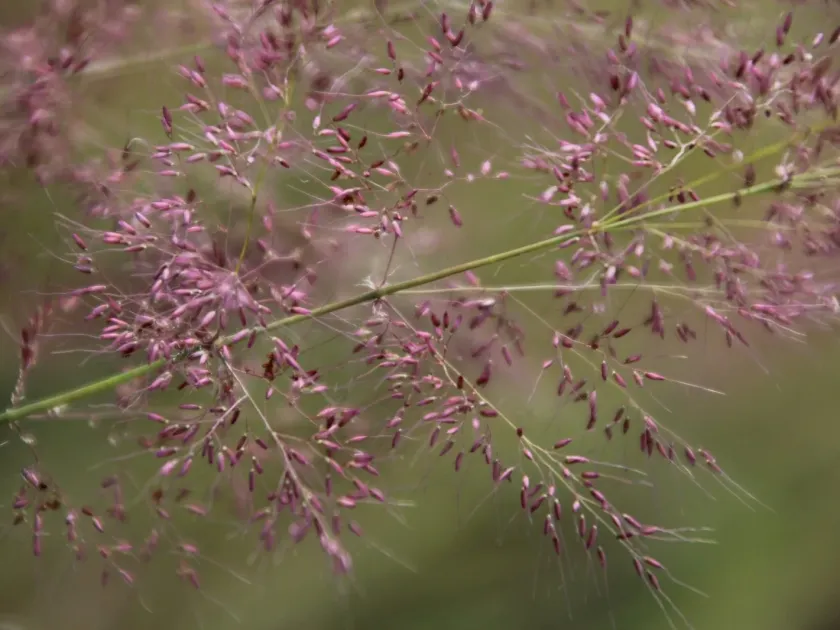
Description
Sowing dates
Sowing Melinis minutiflora is best timed at the beginning of the rainy season, which provides the necessary moisture for seed germination. In tropical regions with distinct wet and dry seasons, planting during the onset of the rains ensures consistent growth.
The seeding technique involves broadcasting the small seeds on the surface, as they are sensitive to deep burial. Using a roller after sowing is highly recommended to ensure sufficient contact between the seeds and the soil surface for successful establishment.
The recommended seeding rate is between 2 to 5 kilograms per hectare, depending on the method of establishment. The grass exhibits excellent germination energy when soil temperatures are maintained between 20 and 30 degrees Celsius.
Vegetative propagation is also a common practice where rooted stem cuttings are planted into prepared soil. This method is particularly effective for large-scale stabilization projects on eroded slopes where immediate ground cover is required.
Once established, the seedlings exhibit rapid initial growth, which allows the stand to compete effectively against weed populations. Regular monitoring of density during the first few weeks ensures the formation of a uniform pasture or cover crop.
Growing requirements
Melinis minutiflora, commonly known as molasses grass, is a perennial grass of the Poaceae family native to Africa and Madagascar. Its remarkable ability to adapt to diverse tropical environments has led to its introduction worldwide.
The species is known for its tolerance to low-fertility soils, including acidic and sandy types. However, it requires well-drained conditions, as it does not thrive in waterlogged or swampy environments where root health may be compromised.
The plant performs best in full sunlight and demonstrates significant drought tolerance once well-established. It is not cold-hardy, and frost can kill the above-ground biomass, limiting its viable cultivation range to frost-free tropical and subtropical areas.
A unique characteristic of this grass is the presence of volatile oils that emit a distinct molasses-like scent. These essential oils contribute to the plant's resistance to certain insect herbivores and provide its characteristic smell during the growing season.
For high productivity, the grass requires minimal fertilizer, primarily nitrogen in very degraded soils. Proper site selection focusing on elevation and drainage is more critical than heavy soil amendment for successful long-term growth.
Yield
Melinis minutiflora is valued as a forage crop, providing high-quality nutritional support for livestock during its early growth phases. The total yield depends heavily on annual rainfall and the level of management practiced on the pasture.
Under optimal conditions and regular grazing or cutting rotations, the grass can produce several harvests per year. Yields of dry matter typically range from 5 to 10 tons per hectare, providing sustainable feed for extensive cattle farming systems.
Nutritional value is highest when the plant is young; once flowering begins, the stems lignify, causing a drop in palatability and protein content. Careful management of grazing cycles is essential to maximize the nutritional benefits for livestock.
Beyond forage, the grass is highly effective for soil conservation and land reclamation. Its extensive root system stabilizes the soil structure, significantly reducing water runoff and erosion on hilly terrain and disturbed landscapes.
The grass is also useful for biomass accumulation, which helps improve soil organic matter content over time. In integrated farming systems, it serves as a valuable tool for restoring vitality to degraded soils while supporting livestock needs.
Main diseases and pests
Due to its high concentration of essential oils, Melinis minutiflora is naturally resistant to many common pests and diseases. Most foliar-feeding insects are deterred by the strong scent, reducing the need for chemical pesticide interventions.
Fungal issues, such as grass rust, may appear in environments with high humidity and stagnant air. Good management practices, including maintaining proper stand density and ensuring adequate airflow, are the best preventive measures against such pathogens.
Pests like locusts or certain orthopterans may cause localized damage, but the plant typically recovers rapidly from such events. Serious, widespread outbreaks of disease or pest populations are rare in healthy, well-managed stands of this species.
The primary concern regarding this species is its potential for becoming an invasive weed. Because it readily colonizes disturbed areas and outcompetes native vegetation, management is required to ensure it stays within designated cultivation boundaries.
Phytosanitary management primarily focuses on keeping the pasture free of excessive weeds during the establishment phase. By maintaining a vigorous, healthy sward, the farmer can easily prevent the intrusion of unwanted opportunistic plant species.
Harvesting
Harvesting for hay must be conducted before the plant reaches full bloom to ensure the highest protein content and digestibility. Delaying the harvest leads to poor quality fodder that is less desirable to livestock due to stem coarseness.
The cut biomass should be dried thoroughly in windrows to avoid spoilage. Because of its characteristic scent, the hay is generally well-accepted by ruminants, provided it is cured and stored under dry conditions to prevent mold formation.
When using a grazing system, the field should be rotated to ensure that the grass is not grazed closer than 10-15 centimeters from the ground. This allows for quick recovery and ensures the long-term sustainability of the pasture.
Seed harvesting requires careful timing, as the maturation of the spikelets is often uneven. Manual harvesting or the use of combine harvesters with adjusted low-speed settings is recommended to minimize seed shattering losses.
After collection, the seeds should be cleaned to remove chaff and dried at moderate temperatures. Properly stored seeds retain their viability for the next planting season, provided they are kept in a cool, dry, and secure environment.