
Melianthus dregeanus
Melianthus dregeanus
Description
Growing requirements
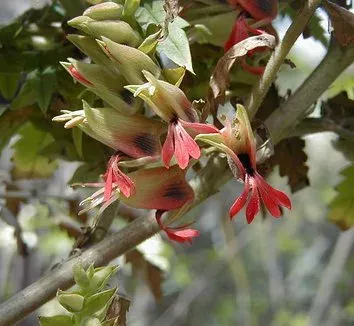
Melianthus dregeanus is an ornamental evergreen shrub belonging to the Melianthaceae family. Native to South Africa, it is widely recognized for its architecturally striking foliage and long racemes of reddish-brown flowers.
The plant thrives in regions with Mediterranean-type climates, requiring significant exposure to sunlight. It is highly valued in landscape gardening for its exotic appearance and rapid growth rate under favorable conditions.
Regarding soil requirements, this species demands well-draining, nutrient-rich substrates. It is particularly sensitive to waterlogging, so incorporating organic matter and coarse sand into the potting mix is recommended to ensure aeration.
Temperature management is a key aspect of its agronomy. It is not frost-hardy and must be protected during the winter months in colder climates. Maintaining a consistent temperature range of 15–22 degrees Celsius promotes healthy leaf development.
Maintenance includes light pruning in late winter to encourage denser branching and the removal of spent flower stalks. Regular watering is essential during the growing season, but the soil should be allowed to dry slightly between applications.
Main diseases and pests
Pest management is focused on controlling spider mites and aphids, which are common in indoor or greenhouse settings. These pests typically congregate on the undersides of leaves and on developing inflorescences.
Fungal pathogens often target the root system when drainage is compromised. Symptoms include yellowing leaves and wilting, which indicate an urgent need to inspect the soil moisture and root health.
Powdery mildew can be a significant threat if the plant is grown in environments with poor air circulation or high humidity. Using fans for ventilation and avoiding overhead irrigation helps to mitigate this risk significantly.
Chemical control should be applied sparingly, preferring insecticidal soaps or horticultural oils for mild infestations. It is essential to ensure that the environment remains clean and free of decaying organic matter to prevent disease outbreaks.
Routine monitoring and preventative care, such as washing the foliage and checking for pests weekly, are the best practices for maintaining a healthy and robust Melianthus dregeanus specimen throughout the year.