
Melianthus comosus
Melianthus comosus
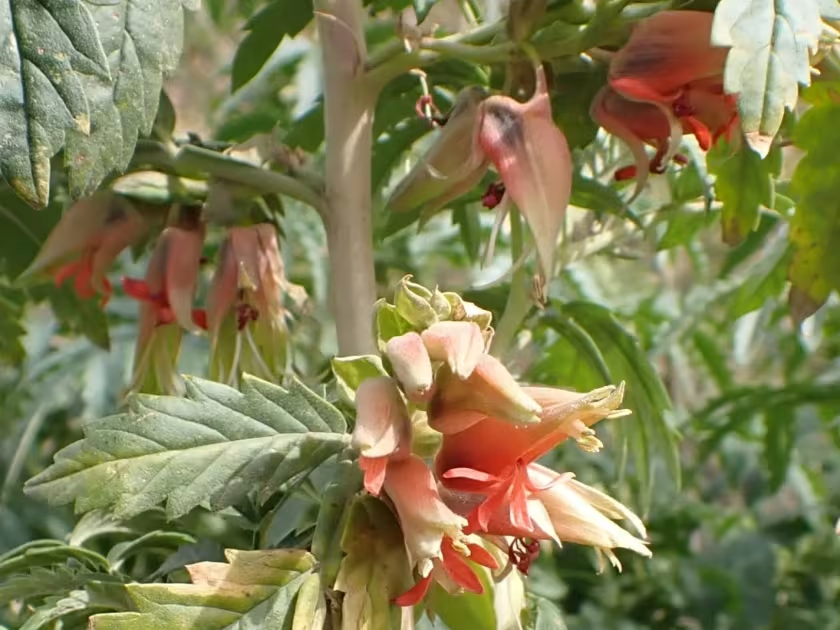
Description
Sowing dates
Sowing seeds of Melianthus comosus is best performed in late winter or early spring in a controlled environment. A steady temperature of 20–22 degrees Celsius is essential to break dormancy and ensure uniform germination.
Seeds should be sown in a light, well-draining potting medium. It is advisable to cover them only lightly with soil, as access to light often promotes better germination rates compared to deep sowing.
Seedlings usually emerge over several weeks. Once two true leaves have developed, the seedlings should be carefully pricked out into individual pots to allow sufficient space for root development.
Hardening off is a vital stage of the process. Young plants should be introduced to outdoor conditions gradually over a period of at least two weeks before being transplanted into their permanent location.
Alternatively, propagation can be achieved through softwood cuttings taken during the growing season. These cuttings should be rooted in a high-humidity environment with bright, indirect light to facilitate successful strike.
Growing requirements
Melianthus comosus, a member of the Melianthaceae family, originates from the arid regions of South Africa. It is a hardy, evergreen shrub known for its architectural foliage and distinctive flower spikes.
The plant thrives in well-draining, nutrient-rich soils with a neutral or slightly acidic pH. Excellent drainage is non-negotiable, as the roots are highly susceptible to rot if left in saturated or compacted soil.
While the species is naturally drought-tolerant once established, it requires regular irrigation during its primary growing season to maintain its decorative appearance. Water should be applied at the base to avoid wetting the leaves excessively.
Full sun is required for optimal health and flowering. In regions with freezing winters, Melianthus comosus is typically managed as a container plant, allowing it to be moved indoors before the first frost occurs.
Botanically, the plant is characterized by pinnate, deeply serrated leaves that release a strong, pungent scent when crushed. Its flowers are highly nectar-rich, attracting various pollinators in its native habitat.
Main diseases and pests
Common pests include spider mites and mealybugs, which are particularly problematic in greenhouse conditions or areas with poor air circulation. These pests can rapidly colonize the succulent stems of the plant.
Fungal issues, specifically root rot, are the primary disease threats. These are almost always caused by improper irrigation practices or soil that lacks adequate aeration and drainage capacity.
Management involves the use of targeted biological controls or insecticidal soaps. Preventive measures such as keeping the foliage dry and maintaining adequate space between individual shrubs significantly reduce the risk of infestation.
Monitoring the plant for signs of stress, such as yellowing leaves or wilting, allows for quick intervention. Proper site selection and avoiding heavy, clay-based soils go a long way in preventing most health issues.
- Monitor soil moisture levels daily.
- Ensure adequate spacing for air movement.
- Prune damaged foliage to prevent disease spread.