
Mayaca sellowiana
Mayaca sellowiana
Description
Growing requirements
Mayaca sellowiana is a delicate aquatic plant belonging to the Mayacaceae family. It is native to the tropical regions of South America, where it thrives in slow-moving water bodies and shallow wetlands.
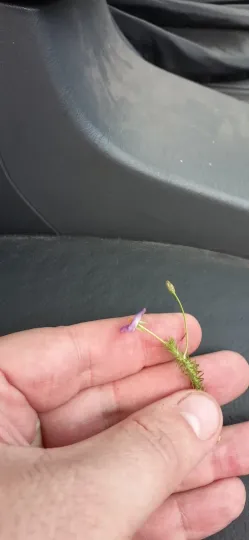
The plant is characterized by its thin, flexible stems covered in numerous small, linear leaves. This structure gives it a soft, moss-like appearance that adds texture and depth to underwater landscapes.
Optimal growth requires soft, slightly acidic water with a stable pH level. Like most tropical plants of this type, it is highly sensitive to water quality and requires clean, filtered water with regular monitoring of mineral levels.
High-intensity lighting is crucial for this species to maintain its vibrant green coloration. Without adequate light, the plant tends to stretch its internodes and lose its dense, bushy growth habit, eventually becoming leggy.
In modern horticulture, Mayaca sellowiana is primarily used as a centerpiece plant in aquascaping. It is highly valued for creating soft, foreground to midground transitions in high-tech planted aquariums.
Main diseases and pests
The most significant threat to this crop is hard water, which interferes with its nutrient uptake and leads to stunted growth. Elevated calcium and magnesium levels are detrimental to its long-term survival.
Iron deficiency is a common physiological issue, resulting in chlorosis. If the plant does not receive sufficient micronutrients, the leaves will turn yellow and eventually become transparent or disintegrate.
Algal blooms pose a severe risk to the plant's health. When algae coat the small, fragile leaves, the plant is unable to photosynthesize, which quickly leads to the death of the affected stems.
Bacterial decay can occur if there is poor water circulation or excessive accumulation of organic waste around the roots. This usually manifests as a softening and liquefaction of the lower stem portions.
Invertebrates such as snails or certain species of herbivorous fish can cause mechanical damage. It is essential to ensure that the surrounding fauna is compatible with the delicate nature of these aquatic plants.