
Stream mayaca
Mayaca fluviatilis
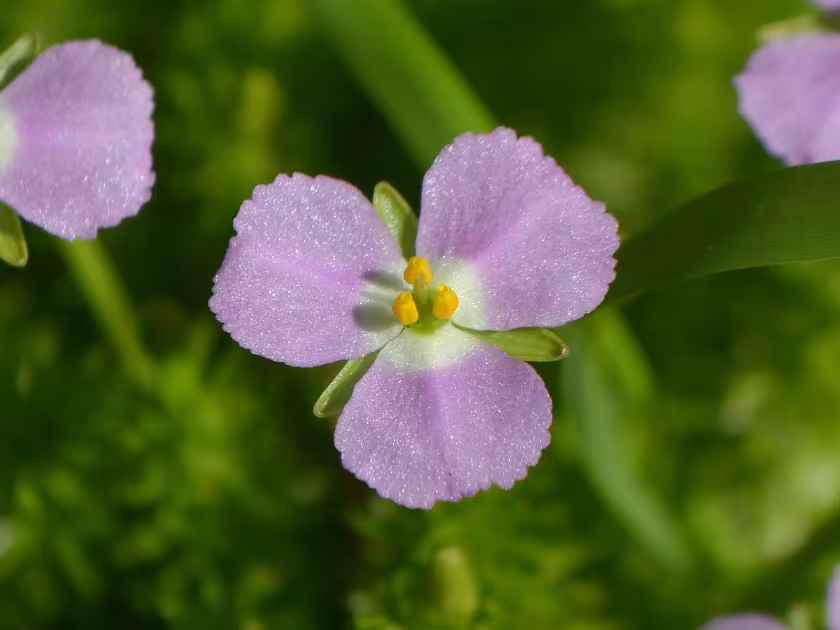
Description
Growing requirements
Mayaca fluviatilis, commonly known as stream mayaca, belongs to the family Mayacaceae. It is native to the tropical and subtropical regions of the Americas, where it thrives in soft, acidic, and slow-moving water bodies such as swamps and marshes.
The plant features delicate, light green, needle-like leaves arranged in a spiral pattern along a slender stem. Its lush appearance makes it a highly sought-after species for aquascaping, providing a soft texture that adds depth to aquatic layouts.
To cultivate this species successfully, it requires soft, slightly acidic water with a pH range of 5.0 to 7.0. Regular CO2 injection is highly recommended to encourage fast growth and maintain the vibrant coloration characteristic of the species.
Light intensity is critical for the survival of stream mayaca. It demands bright lighting to prevent the lower portions of the plant from shedding leaves and becoming leggy, ensuring a bushy appearance throughout the entire stem.
Nutrient supplementation is vital, as this plant is a heavy root feeder. A nutrient-rich substrate combined with liquid fertilizers containing iron and essential micronutrients will promote robust health and prevent the common issue of leaf chlorosis.
Main diseases and pests
The most common issue encountered during growth is algae infestation. Because mayaca is delicate, slow-growing algae or biofilm can quickly cover the leaves, preventing light absorption and eventually leading to the plant's decay.
Pests such as snails can cause physical damage to the leaves. Furthermore, abrupt changes in water temperature or chemical imbalances can cause the plant to melt, a phenomenon where the stems disintegrate rapidly due to stress or lack of essential nutrients.