
Markhamia zanzibarica
Markhamia zanzibarica
Description
Growing requirements
Markhamia zanzibarica is a notable evergreen tree or shrub belonging to the Bignoniaceae family. Native to the tropical regions of East and Southern Africa, this species thrives in diverse habitats ranging from dense thickets to open savannah landscapes.
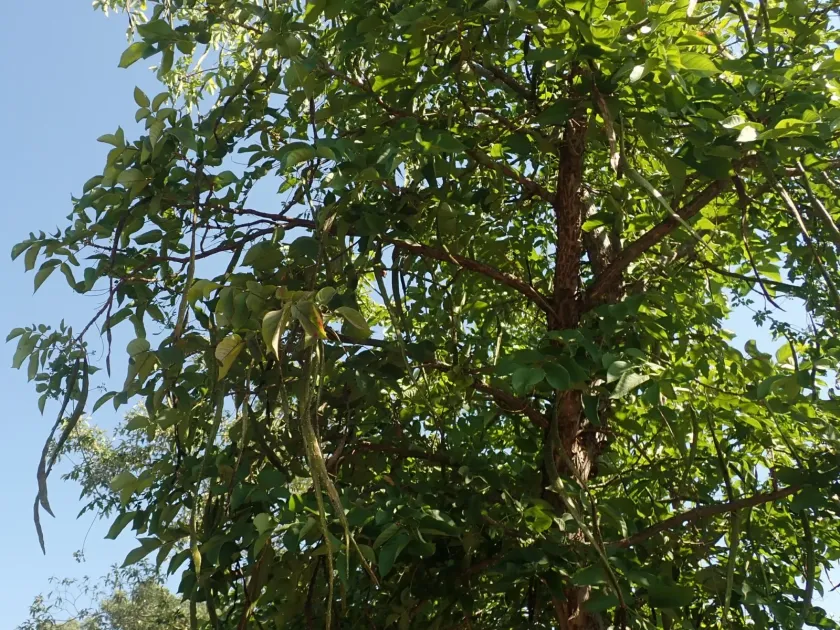
The botanical structure of this plant features pinnate leaves and vibrant, bell-shaped flowers typically displaying shades of yellow and reddish-brown. Its fruit consists of slender, elongated capsules, which contain winged seeds that facilitate wind-driven seed dispersal across its native range.
Environmental requirements prioritize consistent tropical warmth and protection from frost, as the species is highly sensitive to low temperatures. It performs best in regions where rainfall is sufficient during the growing season, though it exhibits moderate drought tolerance once the root system is established.
Ideal soil conditions involve deep, well-draining loamy soils with a neutral pH balance. To ensure proper growth and development, the site should be selected in areas with full sun exposure, although some light shade is acceptable during the early stages of the plant's life cycle.
The species serves various agricultural and economic roles, primarily as a source of durable timber used in local tool-making and construction. Beyond its structural utility, Markhamia zanzibarica is highly valued in horticulture and urban forestry for its aesthetic appeal and low-maintenance profile.
Main diseases and pests
Like many trees within the Bignoniaceae family, this species may encounter pests such as aphids and scale insects, particularly during new leaf flush. Regular monitoring of the foliage and implementing natural predators or organic sprays are effective strategies to manage these populations.
Fungal pathogens associated with stagnant water can cause root rot, representing a significant threat in poorly drained soils. Farmers should prioritize soil aeration and avoid over-irrigation to maintain the tree's health and prevent systemic infections throughout the growing area.