
Markhamia tomentosa
Markhamia tomentosa
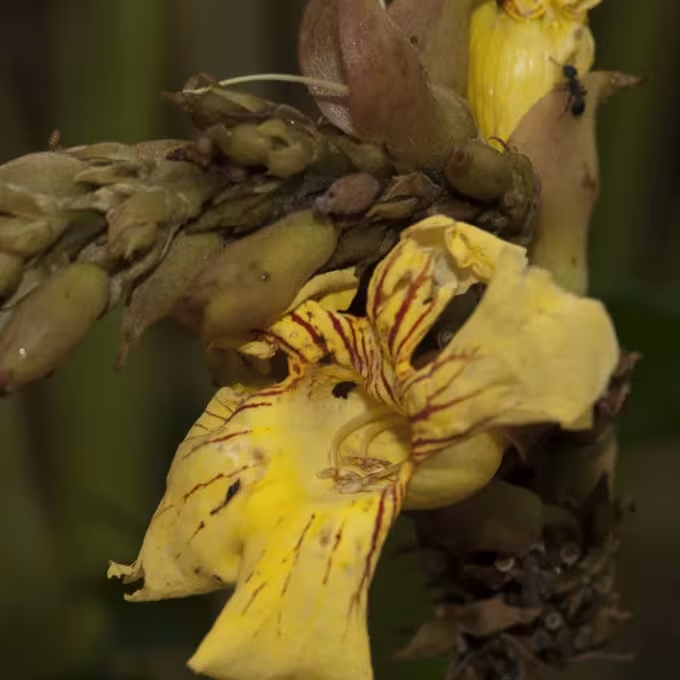
Description
Growing requirements
Markhamia tomentosa is a notable tree species belonging to the Bignoniaceae family. It is widely recognized for its robust nature and is a significant component of tropical African ecosystems.
Native to tropical Africa, this species thrives in savanna and woodland environments. It is well-adapted to warm, humid climates where it contributes to the local biodiversity and soil stability.
The tree requires full sun exposure for healthy growth. While it is adaptable to various soil types, deep, well-drained loamy soils are ideal for achieving maximum height and structural integrity.
The climate requirements include high temperatures and adequate rainfall throughout the growing season. It is not frost-tolerant, which limits its outdoor cultivation to tropical and subtropical zones.
Economically, the tree is highly valued for its durable, termite-resistant timber, used extensively in high-quality furniture making and various construction projects across its native range.
Harvesting
Timber harvesting is typically performed on trees that have reached maturity. Sustainable practices involve selective thinning to ensure the remaining forest canopy remains healthy and productive.
Bark and leaf harvesting for ethnobotanical and medicinal purposes is done periodically. Collectors are encouraged to follow guidelines that prevent over-harvesting and ensure the tree's continued survival.
Seed pods are collected manually upon reaching maturity. The seeds are extracted, dried in controlled conditions, and stored to maintain viability for reforestation or nursery programs.
Processing the wood requires specialized equipment due to its density. Proper seasoning is essential to prevent warping and to enhance the natural beauty of the timber grain.
Efficient harvesting techniques focus on maximizing resource utility while minimizing impact on the local environment, ensuring that Markhamia tomentosa remains a sustainable resource.