
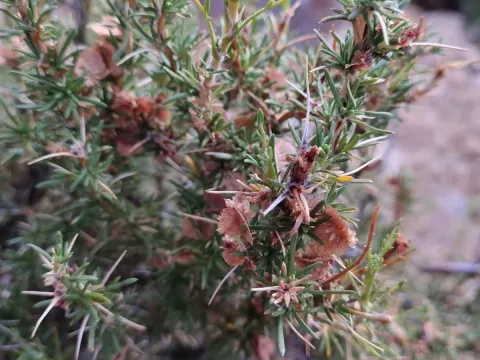
Margyricarpus
Margyricarpus
Margyricarpus is a genus of evergreen subshrubs belonging to the Rosaceae family. Known for their low-growing, mat-forming habit, these plants are highly regarded for their fine foliage and subtle aesthetic appeal in specialized landscape projects.
What the section contains

Margyricarpus
The plant originates from the high-altitude regions of South America, specifically the Andean mountain range. Its natural evolutionary adaptation to harsh, high-mountain climates makes it a robust species capable of surviving in extreme environments.
To cultivate Margyricarpus effectively, one must provide well-drained, porous soil. These plants are sensitive to waterlogged conditions, which frequently lead to root rot; thus, high mineral content in the growing medium is strictly recommended.
The cultural requirements dictate full sun exposure. While the species is resilient, adequate light intensity is vital for maintaining the plant's characteristic dense, compact growth and promoting the development of its distinct fruits.
In terms of agricultural and horticultural utility, Margyricarpus is primarily utilized in ornamental gardening. It serves as a perfect ground cover for rockeries, gravel gardens, and steep banks where soil erosion prevention is a secondary benefit.
Root pathogens are the primary concern for Margyricarpus growers. Excessive moisture in the root zone leads to decay, making soil drainage management the most critical aspect of the plant's long-term maintenance.
Fungal leaf diseases, such as powdery mildew, may manifest during periods of stagnant air and high humidity. Proper spacing to allow for adequate airflow is the best preventative measure against these infections.
Sucking insects, such as spider mites, can occasionally affect the plants in dry, hot conditions. Routine monitoring and the application of horticultural oils or soaps are effective control strategies for small infestations.
Weed encroachment is a significant threat to young or sparsely planted Margyricarpus colonies. The plant's slow growth rate means it requires human intervention to clear competing vegetation during the establishment phase.
Extreme winter fluctuations can occasionally damage the foliage of exposed plants. Protecting the base of the plant with inorganic mulch, such as stone chippings, helps regulate soil temperature and prevent frost heaving.