
Margyricarpus setosus
Margyricarpus setosus
Description
Growing requirements
Margyricarpus setosus is a perennial shrub belonging to the Rosaceae family, native to the arid and mountainous regions of South America. This species is highly adapted to nutrient-poor soils and significant fluctuations in daily temperatures typical of high-altitude ecosystems.
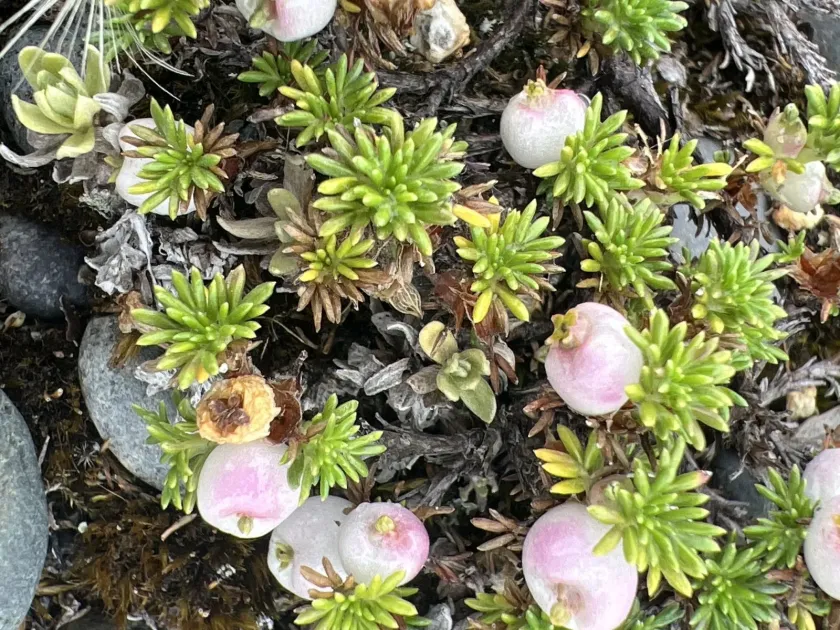
Botanically, it is characterized by rigid, branched stems and small, often bristle-like leaves. These adaptations allow the plant to thrive in environments with low rainfall and high solar radiation, making it an excellent example of xerophytic resilience.
Regarding soil requirements, the culture prefers well-drained, sandy, or stony substrates. It is essential to avoid heavy clay soils, which promote root rot. Proper aeration of the root zone is the primary factor in ensuring vigorous plant development and preventing physiological stress.
Climate-wise, the plant demands bright, direct sunlight. While it can withstand moderate temperature drops, it requires protection from severe prolonged frost. In greenhouse conditions, consistent ventilation is necessary to simulate natural airflow and prevent humidity-related issues.
In terms of utilization, Margyricarpus setosus is primarily valued as a botanical rarity in ornamental gardening, particularly in rock gardens or xeriscaping projects. Its distinctive fruit and compact growth habit also attract interest from research institutions studying mountain plant physiology.
Main diseases and pests
The primary threats to this species include fungal pathogens like root rot, which are triggered by overwatering or poor drainage. Maintaining a dry environment around the root crown is crucial for preventing infection and ensuring long-term survival.
Common pests include spider mites and mealybugs, especially when the plant is kept in indoor or greenhouse settings with low humidity. Integrated pest management, focusing on early detection and physical removal, is highly effective for this hardy shrub.