
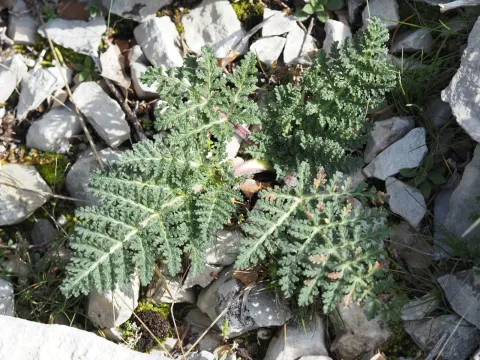
Margotia
Margotia
Margotia (Margotia gummifera) is a unique, monotypic genus belonging to the Apiaceae family, native to specific Mediterranean regions.
What the section contains

Margotia
The optimal time for sowing is during the autumn, which allows the seeds to undergo the necessary period of cold stratification before germination.
For cultivation, select well-drained, stony soil that mimics the natural habitat of this species, ensuring good aeration for the root system.
Seeds should be sown at a shallow depth, usually not exceeding 1-2 centimeters, as they are relatively small and require sufficient light to germinate effectively.
Maintain consistent soil moisture after sowing until the seedlings are fully established, after which the plant becomes highly drought-tolerant.
This culture thrives in warm, sunny climates and requires full sun exposure to maintain its physiological health and biological vigor.
It prefers alkaline or neutral soil conditions and performs poorly in heavy, clay-rich substrates that tend to retain excess moisture.
Margotia is well-adapted to arid environments, making it a potentially useful crop for dry-land farming in suitable climatic zones.
The plant does not require high levels of fertilization; in fact, over-fertilization can lead to weak growth and increased susceptibility to diseases.
Proper drainage is the most critical factor for success; the plant is highly sensitive to waterlogging, which often leads to rapid root decay.
Fungal pathogens associated with damp environments pose the most significant risk to the health of the Margotia crop during early development.
Pests such as aphids and leaf-eating beetles can damage the foliage, leading to a reduction in the overall vitality of the plant.
Effective management strategies focus on prevention, including maintaining wide spacing between plants to encourage air circulation.
Early diagnosis of symptoms is crucial for preventing the spread of diseases, particularly those affecting the root and collar regions.
- Monitoring for pest infestations during spring.
- Ensuring adequate spacing to prevent humidity buildup.
- Implementing good drainage systems to avoid waterlogging.