
Margotia gummifera
Margotia gummifera
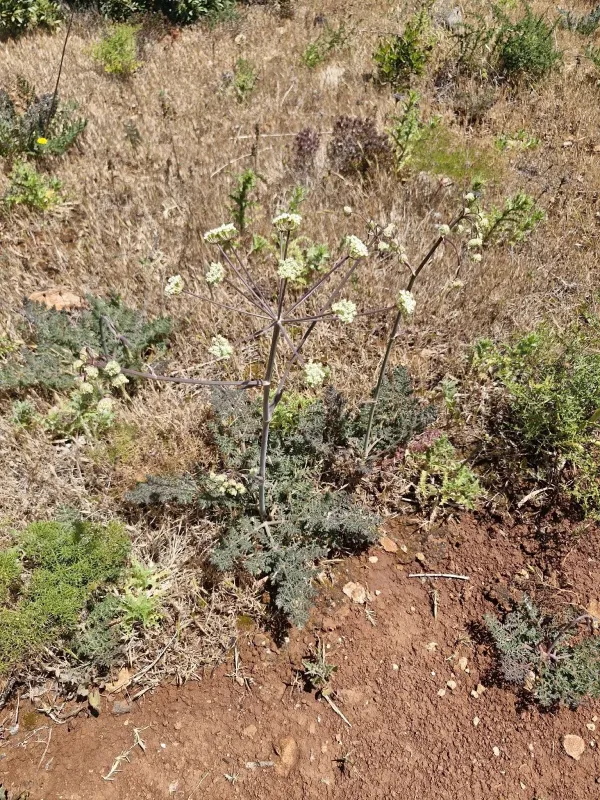
Description
Sowing dates
Margotia gummifera is a perennial herbaceous plant belonging to the Apiaceae family. It is native to the western Mediterranean, primarily found in regions across the Iberian Peninsula and northwestern Africa, where it thrives in natural shrublands.
The plant has evolved to survive in arid environments, characterized by a robust taproot system designed to extract deep moisture. Its stem typically reaches a height of 30 to 80 centimeters, with a branched structure that is classic for many umbellifer species.
Its leaves are finely dissected, which is an adaptation to minimize water loss through transpiration in hot climates. The inflorescences are complex umbels, producing fruits that are rich in gums and essential oils, which are the main focus of its economic interest.
For agricultural purposes, cultivation requires a solid understanding of its biological cycle. Propagation is primarily through seeds, which often require a period of stratification to break dormancy and ensure uniform germination across the field.
Autumn sowing is generally recommended to allow the seeds to undergo natural temperature fluctuations during winter, which mimics their wild environment. Proper spacing is essential to ensure that each plant has enough room to develop its root system fully.
Growing requirements
Margotia gummifera requires well-drained soil, preferably sandy or rocky, to prevent waterlogging. The plant is highly sensitive to excessive moisture, and stagnant water in the soil can quickly lead to root decay and crop failure.
Full sun exposure is crucial for the development of this plant. It is highly resistant to drought and high temperatures, making it a viable candidate for cultivation in arid, sun-drenched agricultural zones where other crops might struggle.
The soil should be neutral to slightly alkaline, mirroring the limestone-rich soils of its native habitat. Over-fertilization, especially with nitrogen, should be avoided as it can inhibit the production of the secondary metabolites responsible for the plant's valuable resins.
Weed management is a critical factor in the early stages of the crop's life. Being a slow-growing plant initially, Margotia can be easily outcompeted by weeds, so regular manual or mechanical cultivation between rows is necessary for success.
Adequate air circulation is also important to prevent the buildup of heat and humidity around the base of the plant. A well-planned planting layout will ensure better plant health and reduce the risks of fungal infections.
Main diseases and pests
The primary threats to Margotia gummifera involve root-related pathologies such as fungal rots, usually triggered by poor drainage or overwatering. These pathogens can be devastating if the soil structure does not allow for efficient water runoff.
Pests typical for the Apiaceae family, such as aphids, can attack the soft tissues of the stems and flower heads. These pests not only damage the plant but can also facilitate the entry of viral or bacterial pathogens.
Wireworms can pose a risk to the root system, particularly if the crop is planted on land previously used for cereals or on uncultivated terrain. Early detection through field monitoring is essential to mitigate potential damage to the stand.
Integrated pest management strategies are advised, as chemical treatments should be limited to avoid contaminating the plant's resinous products. Biological control methods using beneficial insects or pathogens can be effective if timed correctly.
In addition to pests, competition from invasive weeds is a constant threat to the health of the plantation. Maintaining clean rows and removing competing plants significantly lowers the risk of pest accumulation and disease outbreaks.
Harvesting
Harvesting is typically timed to match the maturation phase of the fruits, when the concentration of gums and essential oils is at its highest. This window is narrow and requires careful observation of the plant's phenological development.
The harvesting process involves cutting the aerial parts of the plants, followed by threshing to separate the seeds from the stalks. Special care should be taken to prevent mechanical injury to the seeds during the harvest process.
Post-harvest, the raw material must be dried in a shaded, well-ventilated area. It is important to keep the drying temperature below 40 degrees Celsius to ensure that the volatile essential oils and heat-sensitive resinous compounds are not degraded.
After drying, the seeds must be cleaned to remove impurities like soil, dust, or chaff. The quality and market value of the end product depend heavily on the purity and the integrity of the harvested material.
Final storage should be in cool, dry, and dark conditions using airtight containers. When stored correctly, the active compounds in Margotia gummifera can remain stable for a significant period, ensuring a high-quality product for the industry.